Skip to content

Unlocking the Secrets of Bird Poop: All You Need to Know

/ By David Carter

Ever wondered what secrets lie hidden in bird poop? While it’s not the most glamorous topic, understanding bird droppings can help us gain valuable insights into a bird’s health, diet, and even their impact on the environment. So, let’s dive into the fascinating world of bird poop and unveil the mysteries it holds!

Key Takeaways

  • Bird droppings can indicate a bird’s health and diet, with sudden changes in color potentially indicating an issue.
  • It is important to monitor the frequency and volume of droppings as well as their texture, smell and nutrient content for potential health issues.
  • Cleaning techniques should be used promptly when handling bird poop to prevent the spread of diseases or parasites from wild birds.

Understanding Bird Poop: Color, Texture, and Smell

Observing bird’s droppings, including bird’s poop and bird pee, may seem like an odd pastime, but it can provide essential information about their health and diet. The color, texture, and smell of bird poop are all vital indicators of a bird’s well-being, especially when noticing bird poop white in appearance.

We’re about to examine the different facets of bird droppings, such as how a bird’s diet influences color and the typical consistency and scent of healthy bird waste.

Colors

The color of bird droppings can vary widely due to the diverse diets of different bird species. Seeds, fruits, and pellets can all contribute to a range of colors in bird poop, from green to brown and even blue poop. Healthy bird droppings often reflect the natural colors of their diet, but sudden changes in poop color can be cause for concern.

Suppose your bird’s droppings abruptly change to a bright green color without a corresponding diet change. In that case, this could be a red flag indicating a health issue that necessitates swift veterinary intervention. Therefore, you should keep a close eye on your bird’s droppings and engage an avian veterinarian if you detect any peculiar alterations in color, particularly if there are other signs of illness.

Texture and Consistency

When assessing the health of your bird, it’s not just the color of their droppings that matters; texture and consistency are equally important. Healthy bird feces should have a consistency resembling that of toothpaste, indicating proper digestion and absorption of nutrients.

Dark or tarry droppings, on the other hand, may suggest internal bleeding and warrant an immediate visit to the avian veterinarian. Maintaining vigilance over the texture and consistency of your bird’s feces can be instrumental in promoting their well-being and swiftly addressing any looming health concerns.

Smell

Contrary to what you might think, healthy bird droppings typically have little to no odor. Birds consume less meat than many mammals, and their feces lack the potent-smelling compounds found in meat protein. Additionally, birds lack the anal glands that produce strong-smelling secretions in many mammals.

However, a strong bird poop smell could suggest an infection, digestive problems, or other health concerns. If you detect an unusual scent emanating from your bird’s droppings, it’s advisable to consult your bird’s veterinarian for an assessment, especially when bird poops seem to be the source of the smell.

Don’t forget, being mindful of the odor of your bird’s droppings is another key strategy for keeping an eye on their health.

The Nutritional Value of Bird Droppings

Did you know that bird droppings are not just a byproduct of our feathered friends’ diet but also a valuable source of nutrients? Rich in nitrogen and phosphorus, bird poop can be a useful fertilizer and compost material for gardens, providing essential nutrients to support plant growth.

We’re going to analyze the nutrient composition of bird droppings and discuss safe methods of utilizing them in your garden.

Nitrogen and Phosphorus

The nutritional value of bird droppings primarily comes from their nitrogen and phosphorus content. Nitrogen, which makes up 11 to 16 percent of bird droppings, is a crucial component for plant growth and development, while phosphorus (found in concentrations of 0.2 to 0.4 percent) plays an essential role in various plant processes.

These nutrients make bird droppings an effective fertilizer for plants, providing them with essential elements for growth and overall health. So, next time you see bird poop, remember that it’s not just waste; it’s a nutrient-rich treasure trove for your garden!

Safe Use in Gardens

Even though bird droppings can be a valuable resource for your garden, it’s crucial to handle them carefully to prevent bringing diseases or parasites into your plants and soil. To safely use bird droppings in your garden, you can either directly apply them to the soil or compost them first, which helps break down any potential pathogens and makes the nutrients more readily available to plants.

To minimize the risk of disease transmission, it’s advised to use droppings from healthy birds and avoid using droppings from wild birds. Adopting these safety measures allows you to reap the benefits of bird droppings as a natural fertilizer, while ensuring the safety and health of your garden.

Health Risks Associated with Bird Poop

Despite the benefits of bird droppings as a fertilizer, they can also pose health risks to humans and other animals due to the presence of diseases and parasites. Being conscious of these risks and undertaking requisite precautions when dealing with bird poop is fundamental, whether you’re cleaning up after your pet bird or handling wild bird droppings.

When dealing with bird droppings, it’s important to wear protective gear such as

Diseases and Parasites

Bird droppings can carry a variety of diseases and parasites that can be harmful to humans. Over 60 such illnesses have been recorded, some of which lead to severe complications. These include:

  • Histoplasmosis, a fungal infection that affects the lungs and other organs
  • Psittacosis, a bacterial infection that can lead to pneumonia
  • Candidiasis, a yeast infection that affects the skin, mouth, and respiratory system

Being aware of these potential health risks is crucial in taking the necessary precautions to protect yourself, your family, and your pets from infection. Employing appropriate cleaning methods and safeguarding measures can diminish the risk of contracting diseases associated with bird droppings.

Preventing Infection

To prevent infection from bird droppings, it’s essential to employ proper cleaning techniques and wear protective attire when handling bird poop. Using gloves, a face mask, and protective eyewear can reduce the risk of infection. It’s also critical to avoid contact with wild bird droppings, which can harbor a range of diseases and parasites.

When cleaning bird droppings, use disinfectants specifically designed for bird waste, and ensure that the affected area is thoroughly cleaned and disinfected. By taking these precautions, you can minimize the risk of infection and maintain a clean and healthy environment for yourself and your pets.

Monitoring Your Bird’s Health Through Droppings

As a bird owner, monitoring your pet’s droppings is a crucial aspect of ensuring their health and well-being. Unlike other pet owners, most bird owners need to pay close attention to the appearance and frequency of their pet’s droppings to detect any potential health issues.

We will consider how to keep track of your bird’s health using their droppings and pinpoint the changes that might hint at potential health issues, while also observing their flapping wings for any unusual behavior.

Frequency and Volume

The frequency and volume of bird poop depend on factors such as the bird’s size and diet. Smaller birds typically produce more frequent droppings due to their higher metabolic rates, while larger birds produce fewer droppings. Changes in the frequency and volume of your bird’s droppings could indicate health issues such as digestive problems, diabetes, or blockages.

It’s essential to observe your bird’s droppings regularly and consult an avian veterinarian if you notice any significant changes in frequency or volume. By staying vigilant about your bird’s health, you can help ensure their long-term well-being.

Identifying Potential Health Issues

Keeping an eye on changes in your bird’s droppings can assist in spotting potential health issues like digestive problems, diabetes, or blockages. For example, lime-green droppings could be indicative of a digestive issue, while unusually wet or runny droppings could signal diabetes.

If you notice any changes in the color, texture, or smell of your bird’s droppings, it’s essential to consult an avian veterinarian for an assessment. Early detection of health problems can make all the difference in ensuring your bird’s health and happiness.

Cleaning and Removing Bird Poop Safely

Cleaning and removing bird poop safely is essential to prevent health risks and maintain a clean environment for both you and your pet.

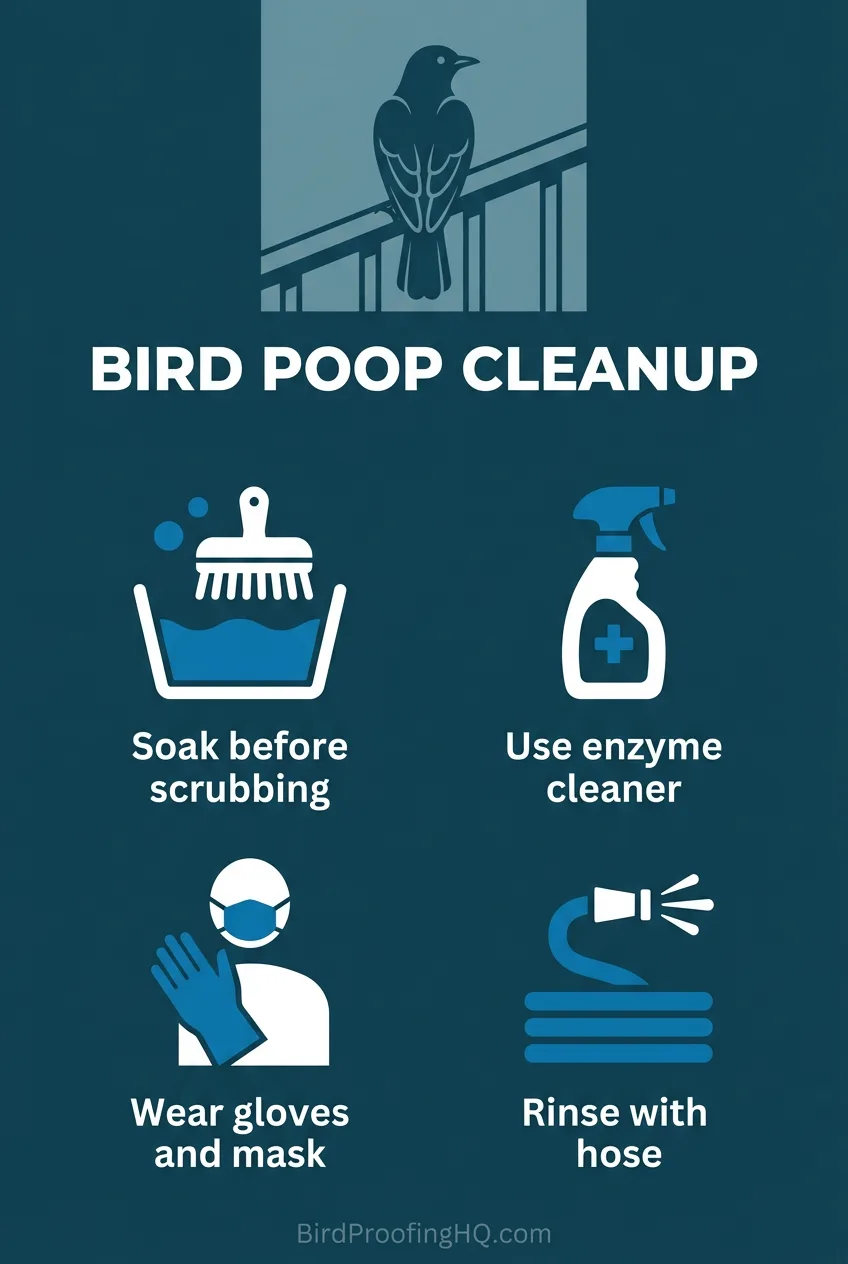
Bird Poop Cleanup — Soak before scrubbing, use enzyme cleaner, wear gloves and mask, rinse with hose

We will cover optimal cleaning techniques for different surfaces and the safety measures required when dealing with bird feces.

Cleaning Techniques

Effective cleaning techniques for bird poop include using wet paper towels, vinegar/water solutions, or specialized bird dropping cleaners. For outdoor furniture, a mild detergent and water mixture is recommended, while for cars, a microfiber cloth and seltzer water work well.

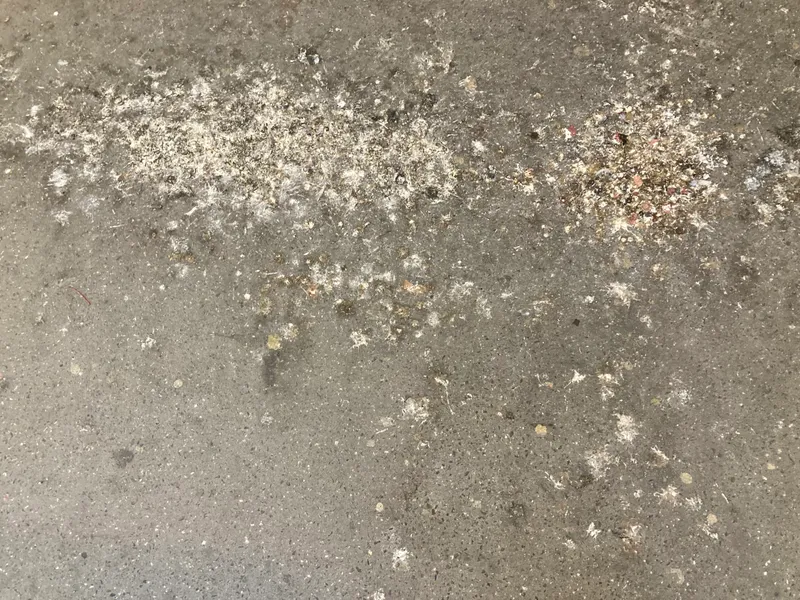
When cleaning bird droppings on hard surfaces, it’s crucial to act promptly to avoid staining and making the droppings more difficult to remove. Timely cleaning also helps prevent the spread of any diseases or parasites that may be present in the droppings.

Protective Measures

Wearing protective gear and using proper disposal methods can minimize the risk of infection from bird droppings. Gloves, a face mask, and protective eyewear should be worn to reduce the likelihood of infection.

When disposing of bird droppings, it’s recommended to place them in a sealed plastic bag and put them in the trash. Additionally, thoroughly washing your hands after handling bird droppings is a vital step to prevent the spread of diseases and parasites.

Bird Poop in the Wild: Environmental Impact and Concerns

Birds poop in the wild plays an essential role in the environment, contributing to nutrient cycling and decomposition processes. However, it can also pose concerns when interacting with pet birds, as wild bird droppings can transmit diseases and parasites.

In this section, we’ll explore the environmental impact of bird poop and how to protect your pet birds from potential health risks.

Decomposition Process

Bird droppings decompose in the wild through the action of microorganisms, playing a part in nutrient cycling and supplying vital nutrients for plants and other organisms.

However, bird droppings can also produce unpleasant odors due to the breakdown of organic material, releasing gases such as ammonia and hydrogen sulfide.

Regardless of the potential for unpleasant odors, the decomposition process is vital to the environment as it recycles nutrients and aids plant growth.

Interactions with Pet Birds

Wild bird poop can transmit diseases and parasites to pet birds, so precautions should be taken to protect pet birds from exposure. To safeguard your pet birds from wild bird droppings, consider avoiding areas where wild birds congregate, keeping pet birds indoors, and regularly cleaning and disinfecting cages and perches.

By taking these measures, you can help ensure the health and well-being of your pet birds while still appreciating the role that bird poop plays in the wild.

Summary

From understanding the color, texture, and smell of bird droppings to monitoring your bird’s health and safely using bird poop in gardens, we’ve explored the fascinating world of avian excrement. While it may not be the most glamorous subject, it’s clear that bird poop is not just waste but a valuable resource for our gardens and a vital indicator of our feathered friends’ health. So next time you spot some bird droppings, remember the hidden secrets they hold and the essential role they play in our environment.

Frequently Asked Questions

How do I identify bird poop?

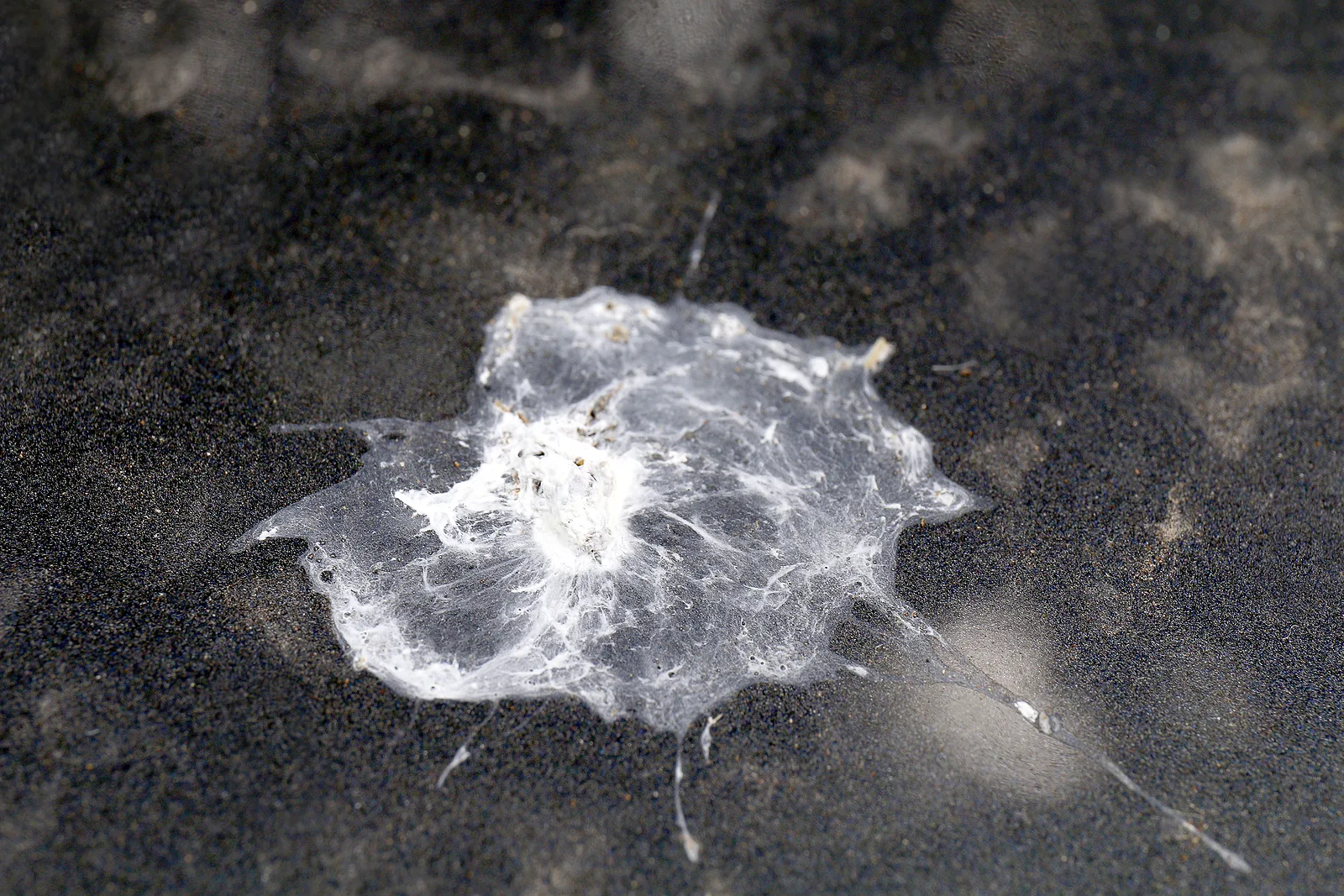
Bird poop is often easy to identify due to its whitish color and the fact that it’s typically found on surfaces, the ground, under trees, and on cars.

Are bird droppings unhealthy?

Bird droppings are potentially unhealthy, as they may contain bacteria and fungi that can cause diseases such as psittacosis, salmonella, cryptococcosis and histoplasmosis. These infections can range from mild to severe, especially in those with weakened immune systems. Therefore, it is best to avoid contact with bird droppings.

What is the white stuff in bird poop called?

The white substance in bird droppings is primarily made up of uric acid, which is excreted by the kidneys as a by-product of protein breakdown. Birds don’t produce urine like mammals; instead they convert nitrogenous wastes into uric acid, which forms a white sticky paste.

Do birds pee?

Yes, birds do pee, but it’s not the same as what mammals produce. Instead of urine, they excrete nitrogenous waste in the form of solid uric acid which is released as a white paste-like substance when they take off to fly. Uric acid doesn’t dissolve in water easily, thus its ability to stick to windshields like blobs of white plaster.

What causes the different colors in bird droppings?

The different colors of bird droppings are a result of each species’ varied diet, as they consume various types of food that cause their droppings to have distinct hues.