Bird Deterrents: What Works and What Wastes Your Money
Contents[hide]
- 1. How to Choose Between Bird Deterrents
- 2. What Are the Most Effective Bird Deterrents?
- 3. Do Visual Deterrents Like Fake Owls and Reflective Tape Work?
- 4. Do Ultrasonic Bird Repellers Actually Work?
- 5. Does Vinegar Repel Birds?
- 6. What Can I Use to Keep Birds Off My Porch?
- 7. Which Bird Deterrent Works Best for Different Birds and Locations?
- 8. How Often Should I Check Bird Deterrents?
- 9. How Much Do Bird Deterrents Cost?
- 10. What Are Common Mistakes When Using Bird Deterrents?
- 11. Is It Legal to Use Bird Deterrents?
- 12. How Do I Stop Birds Coming Back After I Deter Them?
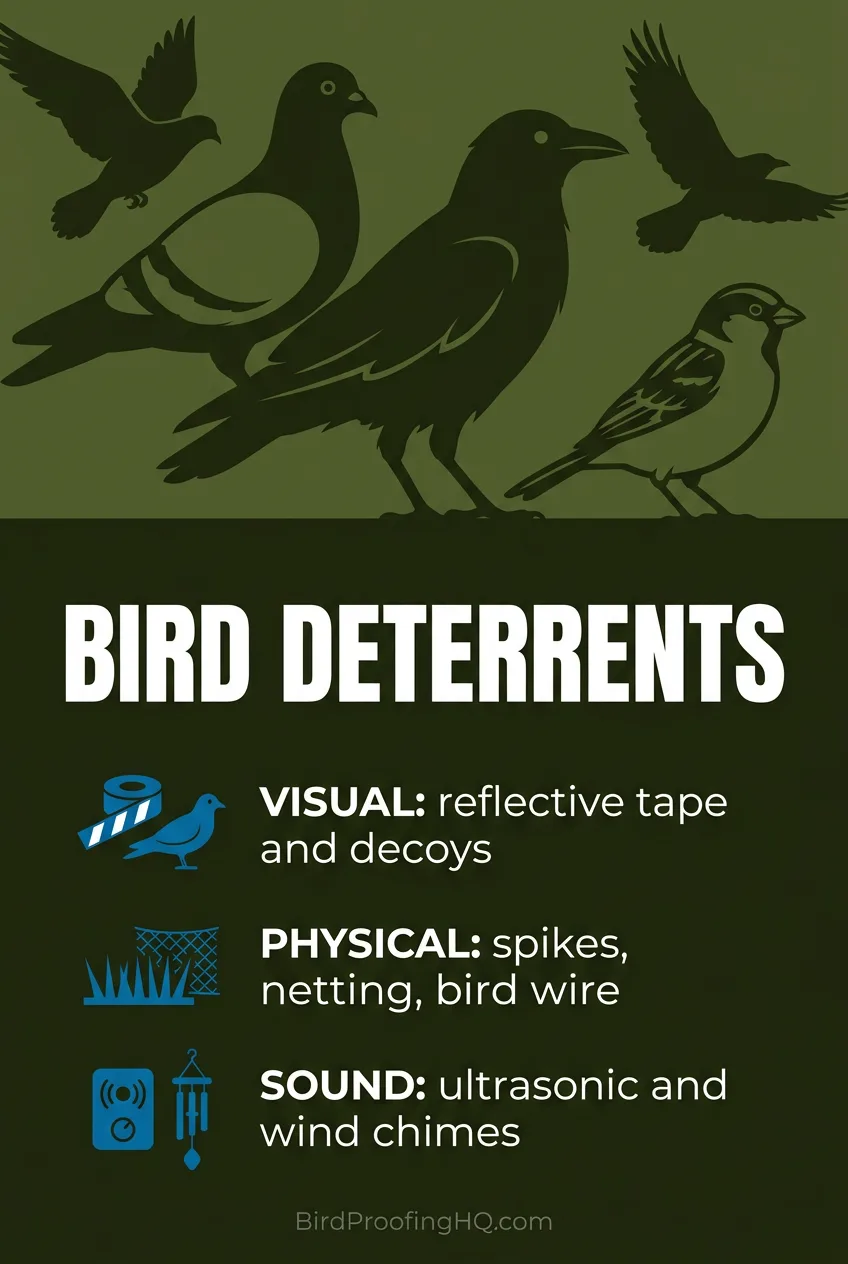
The most effective bird deterrents pair a physical barrier with a scare tactic. Spikes and netting work permanently because birds cannot adapt to a physical block. Decoys and reflective tape work short-term, then birds habituate. Use one barrier on the spots birds roost, one rotating scare to back it up, and remove the food or shelter that drew them in.
In this article, we’ll cover which deterrents hold up long-term, which ones birds adapt to in a week, and the one pairing that works on almost every problem.
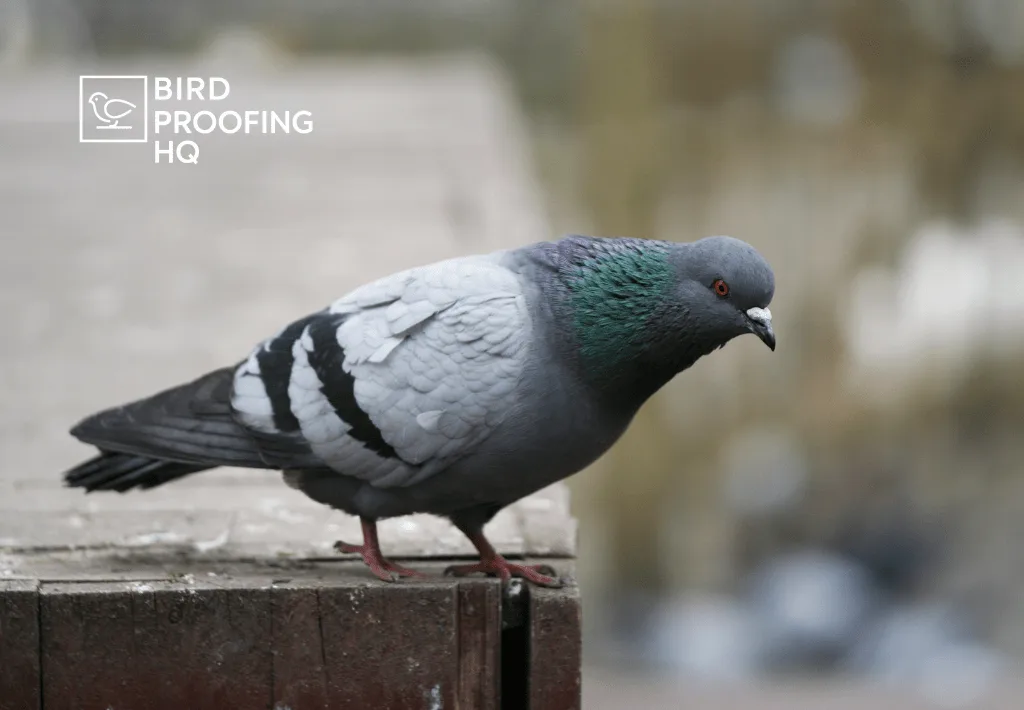
How to Choose Between Bird Deterrents
The effectiveness of bird deterrents depends on the property, the bird species, and the exact surface they use. Physical barriers are usually the lasting fix.
Sound, visual, and spray methods work best as backup. They also help where a barrier cannot reach. Match the type below to your situation before you spend anything.
Pros and Cons of the Main Bird Deterrents
- Physical bird deterrents: Pros: reliable long term control on ledges and openings. Cons: careful installation and a higher upfront cost. Check for loose sections and gaps.
- Visual bird deterrents: Pros: low cost and fast setup. Cons: habituation reduces long term effectiveness when the object never moves.
- Sound bird deterrents: Pros: coverage across a large area. Cons: noise for neighbors and weaker results when the sound pattern stays fixed.
- Sprays and gels: Pros: practical coverage on narrow rails and uneven stone. Cons: weather, dust, and frequent reapplication.
- Motion sprinklers: Pros: humane coverage for lawns and garden beds. Cons: a hose connection, clear sensor path, and no protection for ledges or entry points.
What Are the Most Effective Bird Deterrents?
Spikes, netting, and wire work by removing the landing spot entirely. A ledge fitted with steel spike strips gives the bird nowhere to stand; a sealed opening has no gap to slip through. The bird moves on not because it is frightened, but because the spot is gone.
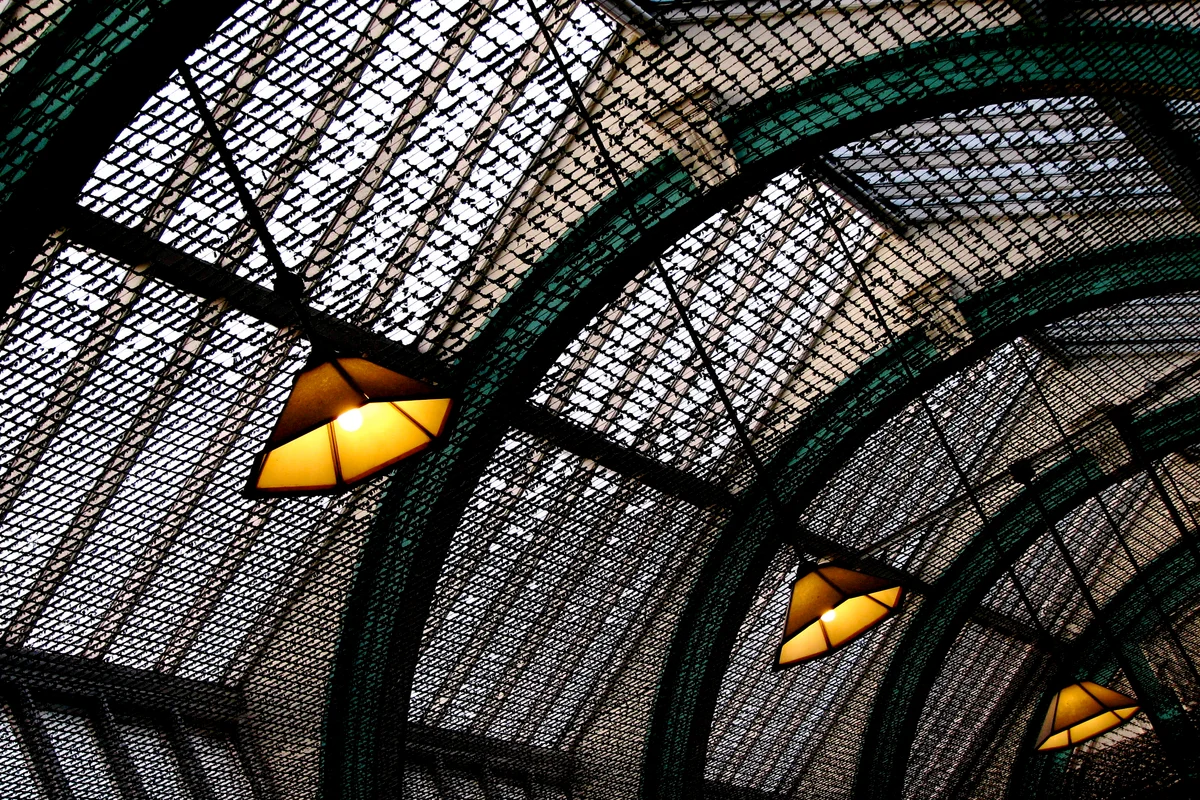
Bird Spikes: Best for Ledges, Beams, and Flat Trim
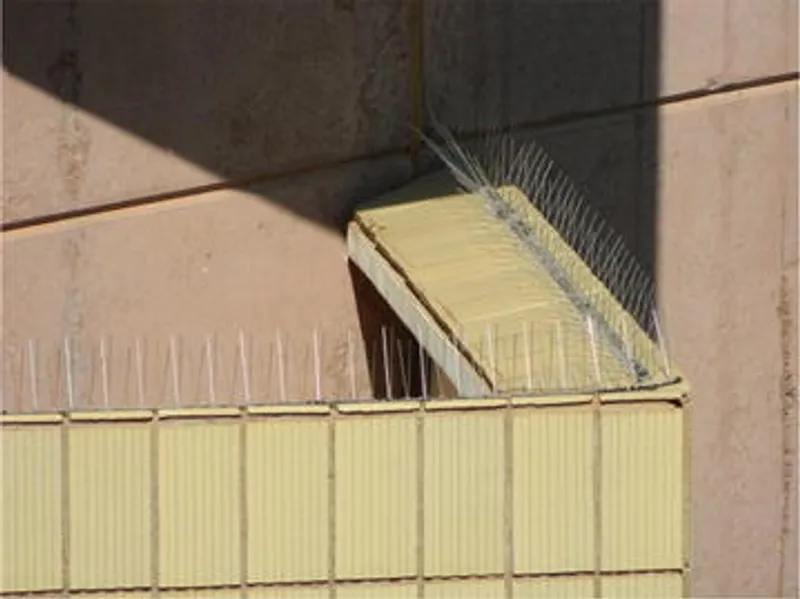
Bird spikes are strips of blunt points that stop birds perching on ledges, beams, and flat trim. Measure the full landing surface before buying them. A bare strip beside the spikes gives a pigeon another place to stand.
Install spikes only on an empty ledge. The points should remove the landing space without trapping or injuring a bird.
Netting: Best for Open Spaces Like Porches and Barns
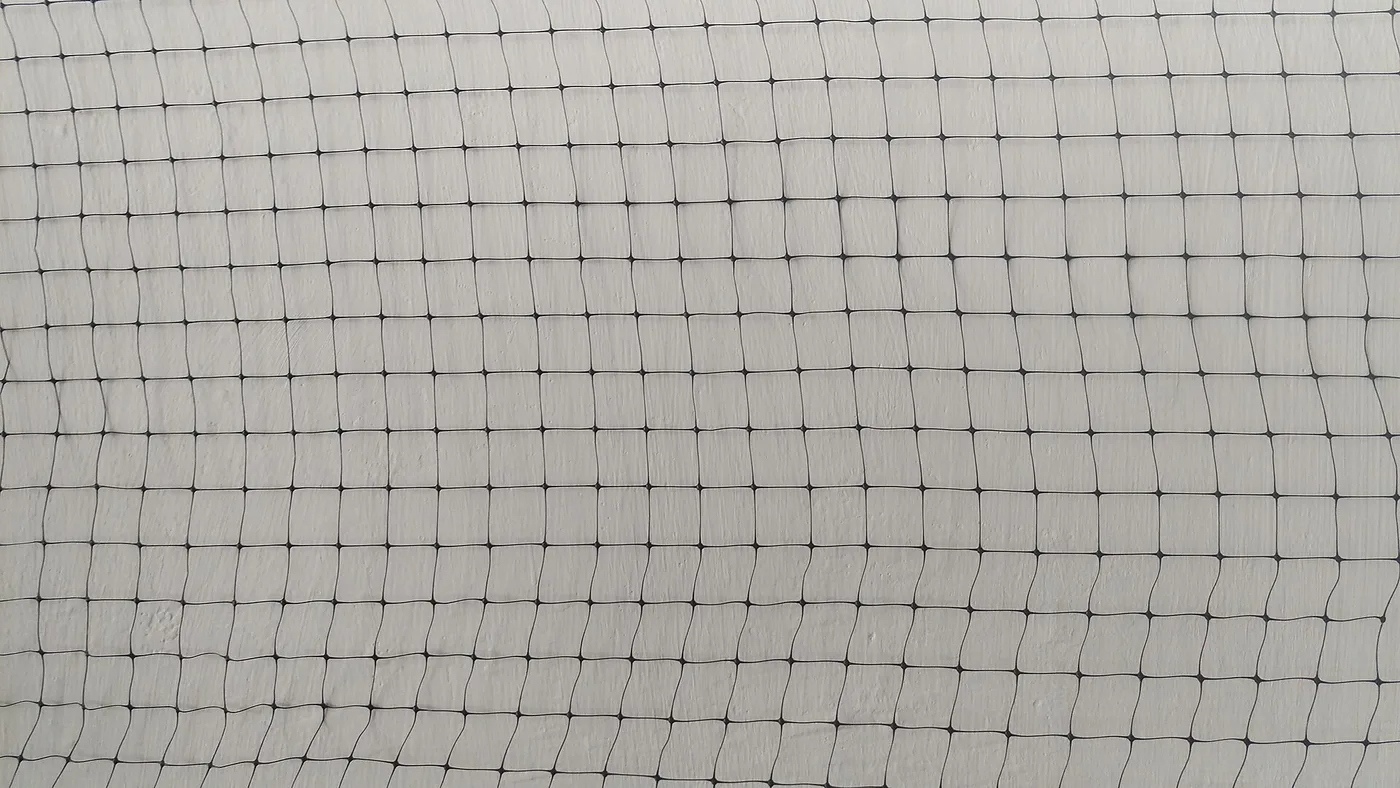
Netting across a whole opening can close a porch ceiling, barn, or the gap under solar panels. Pull it taut and seal every edge so birds cannot slip behind it.
Use a mesh size suited to the smallest bird involved. Netting can also protect hanging baskets and planters, but it must stay visible, tight, and free of loose loops.
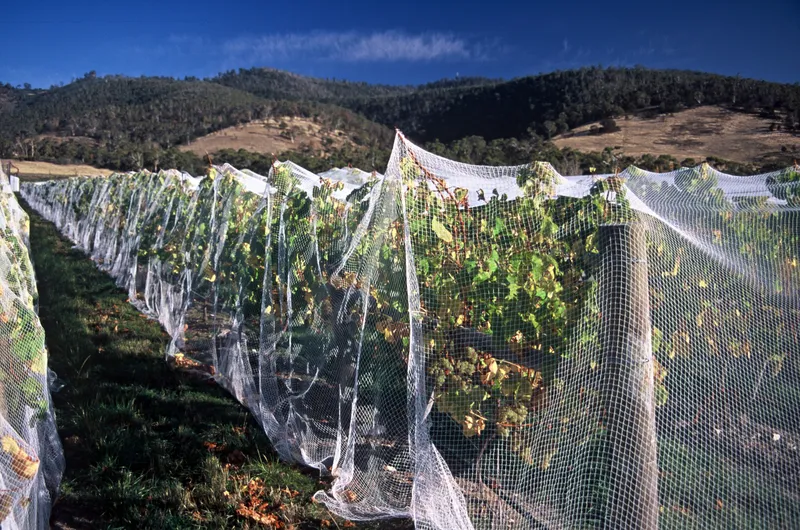
Large mesh may stop pigeons or gulls while leaving room for sparrows and starlings. When in doubt, choose the smaller safe opening and follow the manufacturer’s installation instructions.
Bird Slope: Best for Straight, Backed Ledges
Bird slope replaces a flat ledge with a rigid angled face. It suits straight window sills, parapets, and I-beams with a wall at the back. The solid cover can block large and small birds, but every seam and open end must be closed.
Tensioned Wire: The Near-Invisible Option
Tensioned wire runs thin lines above a ledge so a bird cannot balance there. It suits masonry ledges, stone balustrades, and roof edges where spikes would look harsh. Correct post spacing and tension matter, so difficult roofline work is better left to an installer.
Do Visual Deterrents Like Fake Owls and Reflective Tape Work?
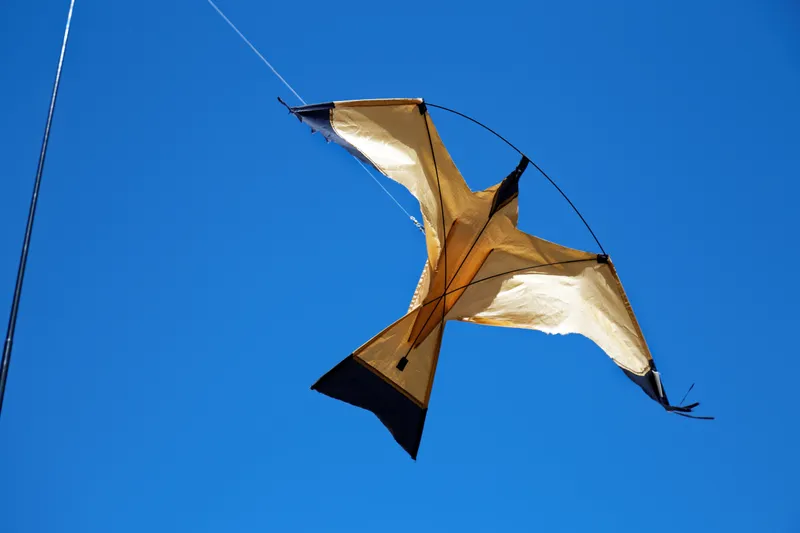
Visual deterrents fake danger. Spinners, holographic rods, and other reflective objects throw moving light, while a decoy imitates a predator. Both may interrupt a routine, but birds can learn that a fixed object is harmless.
How to Make Visual Deterrents Last Longer
Move the decoy or reflective tape when birds start landing beside it. Use the temporary break to install a barrier or remove the food source. A scare device alone is rarely a long term solution.
Do Ultrasonic Bird Repellers Actually Work?
Sound deterrents are a mixed bag. Wind chimes and audible predator calls may unsettle birds briefly, but a fixed sound becomes part of the surroundings.
Skip ultrasonic devices. Birds hear in roughly the same range people do, so a truly ultrasonic signal does not solve the bird problem. Audible systems may also create a new problem for neighbors.
Does Vinegar Repel Birds?
Repellent sprays and gels make a surface unpleasant rather than blocking it. A bird repellent spray may suit a small garden patch that is easy to reapply. A gel can treat a narrow, uneven ledge where spikes will not sit correctly.
Weather, dust, and debris reduce their effectiveness, so these methods need frequent reapplication or cleaning. Vinegar washes away quickly. Compare homemade and store-bought repellents before applying anything near edible plants, pets, or painted surfaces.
What Can I Use to Keep Birds Off My Porch?
No deterrent holds if the property still offers an easy meal. Store pet food inside, close trash lids, clean up fallen seed or fruit, and remove standing water.
Best Deterrents by Location: Deck, Roof, Fence, and Garden Bed
Use spikes or tensioned wire on deck rails and empty roof ledges. Use netting over a partly enclosed porch. In garden beds, a motion sprinkler can discourage birds without coating plants or soil.

Inspect the Property Before Choosing a Deterrent System
Walk the outside of the building and mark every place birds land or enter. On a residential property, check eaves, vents, gutters, chimneys, siding, deck rails, roof edges, and the space under solar panels. Droppings below a surface often reveal a resting spot that is easy to miss from the ground.
Look for nesting materials before sealing any entry points. During nesting season, stop if an opening may contain eggs or chicks and ask animal control or a wildlife professional to identify the bird. A barrier installed over an occupied cavity can trap the birds inside.
For commercial properties or other large areas, map the activity before buying products. A targeted system on the main ledges and openings is usually more practical than scattering decoys across the whole building. This inspection also makes it easier to compare solutions and maintain them after strong weather.
Which Bird Deterrent Works Best for Different Birds and Locations?
The right deterrent depends on the bird and the spot as much as the budget. Here is how the methods above match the problems people run into most.
Pigeons and Gulls on Ledges
Pigeons and gulls want a flat surface to stand and roost on, so spikes or tensioned wire on the ledge itself solve the problem directly. A fake owl alone will not hold a roof gulls have claimed for years. Add the barrier under it.
Sparrows and Starlings Getting Into Gaps
House sparrows and starlings squeeze through small gaps in eaves, vents, and siding to nest, so scare tactics do little once they are already inside. Seal the gap or cover it with the small mesh netting described above before the birds settle in for the season.
Woodpeckers Pecking at Siding
A woodpecker drumming on siding is usually marking territory or hunting insects in the wood, not looking for a place to land, so spikes will not help. Reflective tape or a hanging visual scare near the spot can work better. A suet feeder, which holds the fat cakes woodpeckers eat, may draw the bird to a spot well away from the house. Woodpeckers are protected, so never block an active nest hole.
Geese on the Lawn
Geese graze on open grass and are wary of sudden movement, which is exactly what a motion-activated sprinkler delivers. Spikes and netting do not apply to an open lawn, so the sprinkler paired with keeping the grass near any pond or water feature trimmed does the real work.
Peafowl in the Garden or on the Roof
Peafowl rest high and call loudly. Aim a motion sprinkler across a garden path, or fit wire to an empty roof ledge they use at night. Follow the humane sequence for removing peafowl from gardens and roofs before adding either deterrent.
How Often Should I Check Bird Deterrents?
Use strong weather as the trigger for an extra inspection. Look for a new gap, a loose fixing, or debris that created a landing spot, and repair it before birds return.
Watch how birds react to a scare device. If they land beside it, change its position or replace it with another method. Clean sprinkler sensors and nozzles when their coverage becomes uneven.
How Much Do Bird Deterrents Cost?
Cost depends on the size, height, access, and mounting surface. A small visual scare or sprinkler is usually cheaper than a fitted barrier, but it also needs more attention.
Get a professional quote for high roofs, large netting systems, stone facades, or commercial properties. The right comparison is the full installed system, including safe access and repairs, not the cheapest product price.
What Are Common Mistakes When Using Bird Deterrents?
The biggest mistake is buying a scare device and stopping there. A fake owl does not replace a barrier on a ledge. Another common failure is leaving a gap beside spikes or netting, which simply moves the birds a short distance.
Food can also undo the whole system. Track the target area after installation. If birds shift to another spot on the same structure, expand the barrier instead of adding more decoys.
Is It Legal to Use Bird Deterrents?
Many native birds, their eggs, and active nests are protected by the Migratory Bird Treaty Act. Rock pigeons, house sparrows, and European starlings are generally outside that federal list, but state and local rules may still apply.
Never seal an opening or install a barrier while birds, eggs, or chicks are inside. If you cannot identify the species or confirm that a nest is inactive, contact animal control or a licensed wildlife professional before disturbing it.
How Do I Stop Birds Coming Back After I Deter Them?
Match the tool to the spot: spikes or wire for ledges, netting for open structures, and a sprinkler plus food removal for gardens. Rotate scares when birds stop reacting, but keep physical barriers repaired.
Compare bird repellents by bird and surface if you still need a chemical or scent-based option. Call a professional when birds are inside a wall, attic, vent, or HVAC duct, or when the work requires unsafe roof access.
Images: The Uglyness of Pigeon Netting by CGP Grey, CC BY 2.0; Bird spikes on ledge by E. Harris et al., CC BY 4.0; Hawk kite deterrent by Acabashi, CC BY-SA 4.0; Bird netting on grapevines by Mark Smith, CC BY 2.0; Flying scarecrow bird scarer by Peulle, CC BY-SA 4.0; Anti-bird mesh close-up by SaturninoOpi, CC BY-SA 4.0. Via Wikimedia Commons.
.jpg)


.jpg)

Free: The 5-Step Bird-Proofing Checklist
Work through the right steps in the right order, before spending money on the wrong deterrents. Printable PDF, straight to your inbox.
No spam. Unsubscribe any time.