Best Bird Repellent: What Actually Works (by Bird and Spot)
Contents[hide]
No single product wins every situation. For ledges and roofs, spikes and netting last longest. For gardens, reflective tape and predator decoys help. Scent sprays cover small spots. Sonic units that play real predator calls move flocks. Skip ultrasonic gadgets: birds barely hear them and quickly ignore any that they do.
In this article, we’ll cover the one ingredient that works, which type fits each surface, and where a bottle is the wrong tool.
Here are the real options, ranked by how well they work and when to use each, so you buy the right thing once. It all leans humane, the approach groups like the Humane Society recommend, because that is the whole point here.
How to Choose a Bird Repellent
Start with two questions: which bird, and where. Those two answers point you straight at the right type.
Repellents fall into three broad groups. Physical barriers like spikes and netting physically block birds and last for years, so they win wherever you can fit them. Scares like reflective tape, decoys, and sound trick birds into leaving, but they fade as birds learn the threat is empty. Scent and taste repellents make a spot unpleasant, and they suit small areas you can spray or coat.
The honest rule is barriers first, scares second, scent to fill gaps. And ignore anything that promises to clear every bird with one gadget, because nothing does.
The Best Bird Repellents by Type
Bird Spikes (best for ledges and rails)
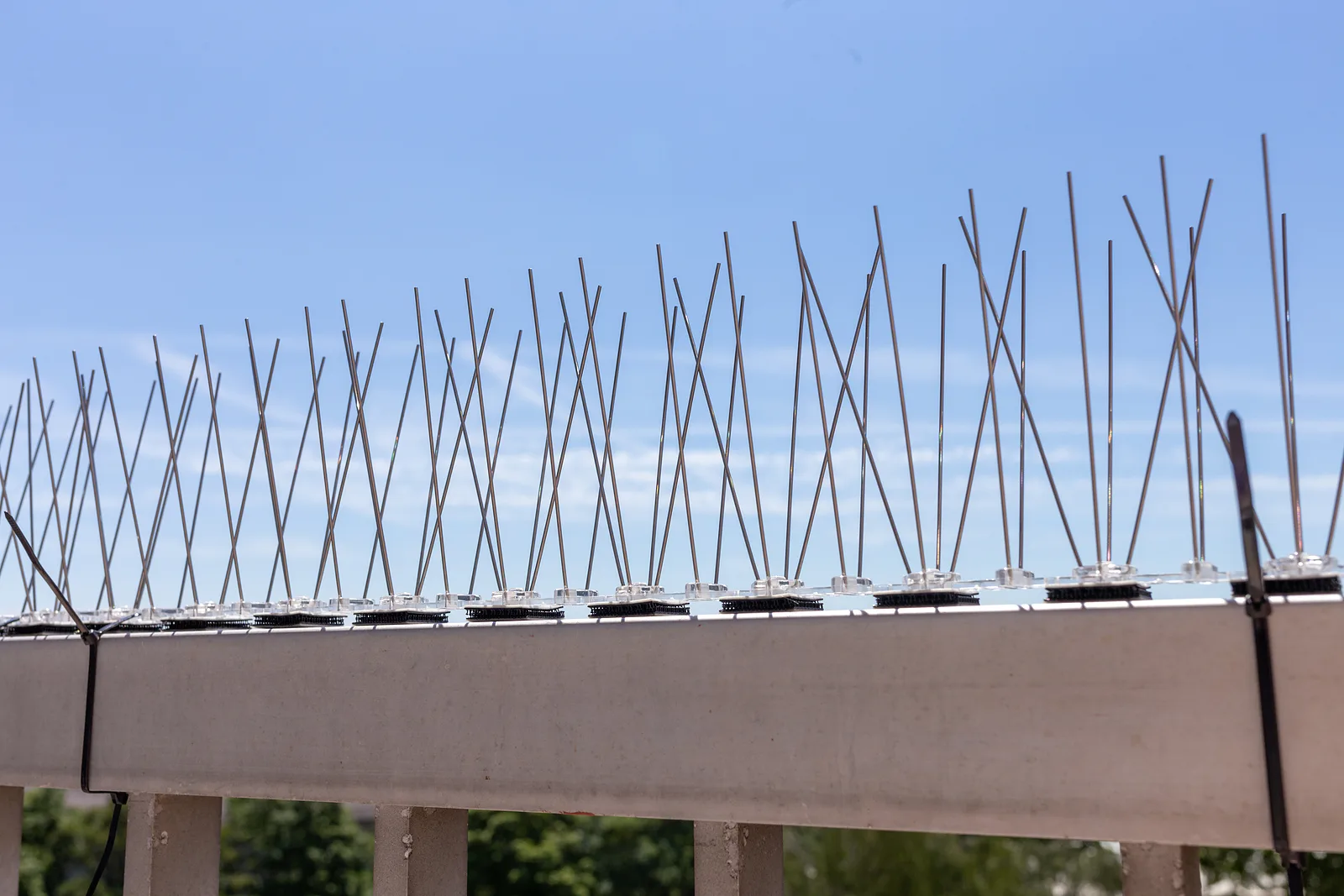
Bird spikes make a flat surface impossible to land on, without hurting the bird. They are the gold standard for ledges, rails, beams, and signs, and a good steel set lasts many years. They do nothing on open ground or for birds that are not perching, so they are a precision tool, not a cure-all.
Bird Netting (best for gardens and large gaps)
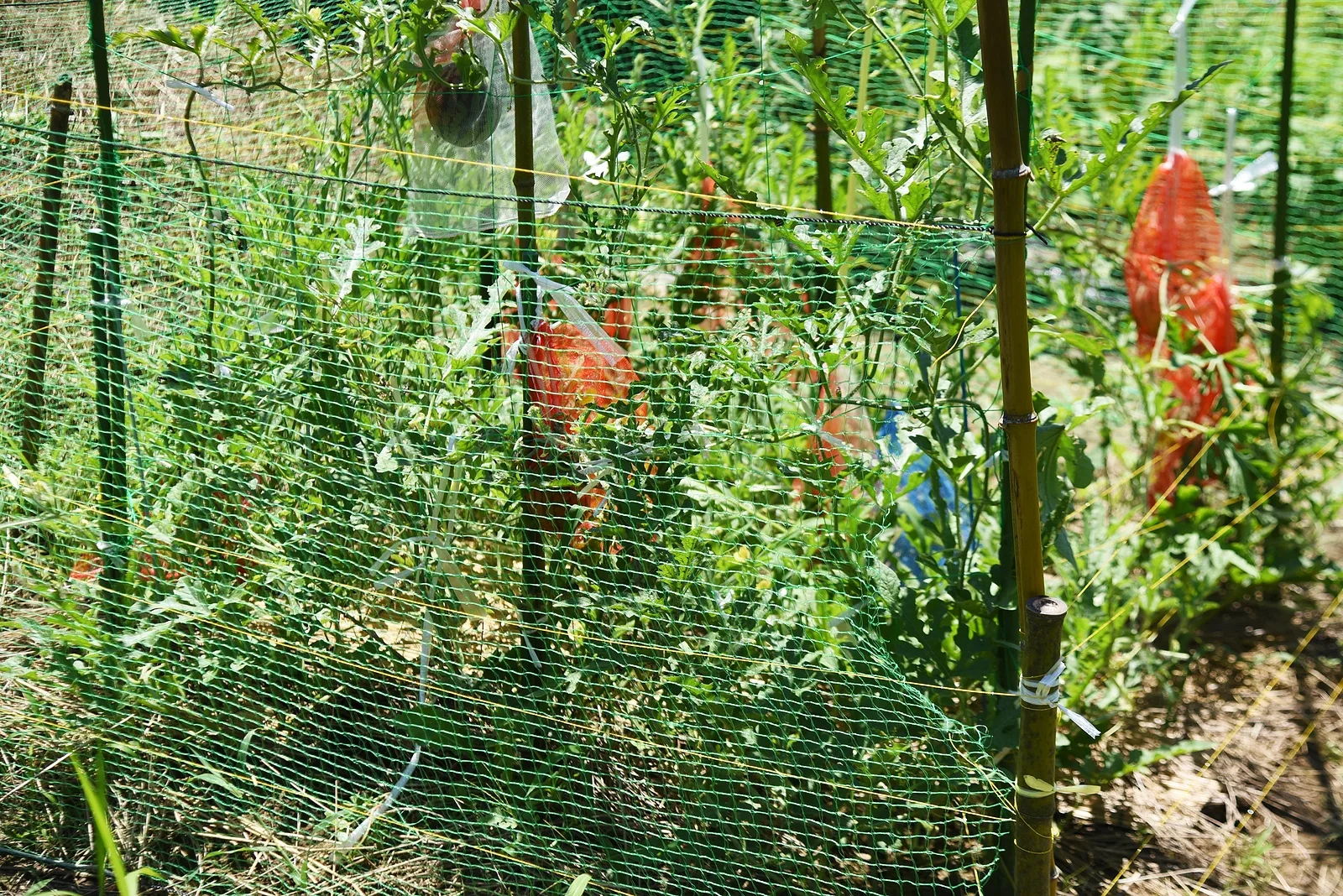
Netting is the only repellent that truly protects a fruit tree, a garden, or the underside of solar panels, because it physically shuts birds out. It takes the most effort to fit, but nothing else guarantees a crop. For a low-profile look on a ledge, tensioned bird wire does a similar job with less visual clutter.
Reflective Tape and Objects (best for open areas and trees)
Shiny things throw moving flashes that startle birds. Old CDs, foil strips, and reflective scare tape that spins and crackles in the wind are cheap and easy to hang in a tree or over a patio.
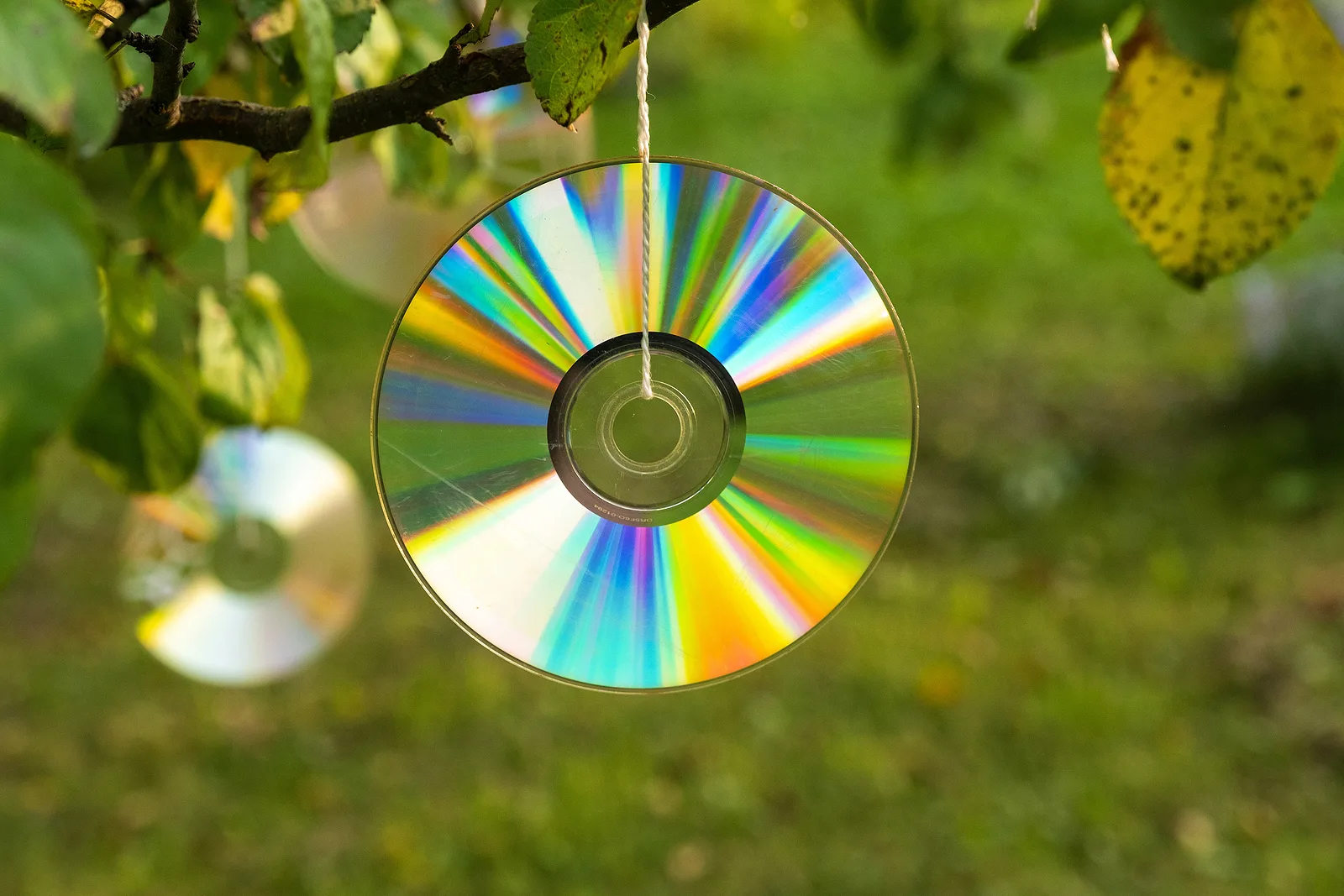
They work best in the short term and on skittish birds, and they fade as birds get used to them, so move them around often.
Decoys and Fake Predators
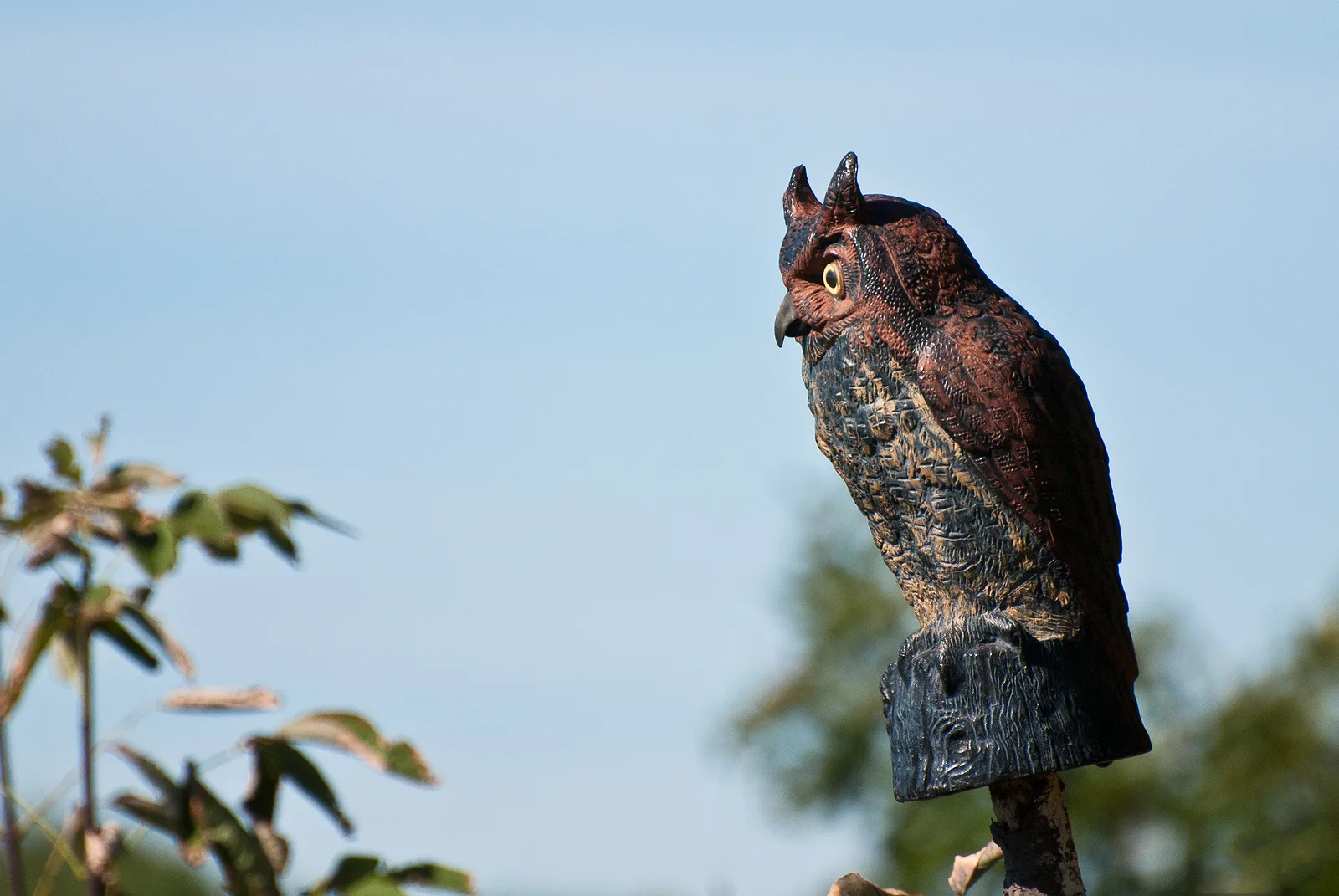
A fake owl or hawk plays on a bird’s fear of being hunted. The catch is famous: birds learn a statue that never moves is harmless within days. Buy one only if you will move it every few days and turn it to face a new way.
Repellent Gel
A sticky or optical gel makes a narrow ledge or sign uncomfortable or alarming to land on. It is a neat spot treatment for surfaces too small or fiddly for spikes, though it needs cleaning and reapplying over time.
Scent and Taste Sprays
Scent sprays use smells birds hate, like peppermint, chili, or the grape extract methyl anthranilate, to push them off a small area. Methyl anthranilate is the only one with real evidence behind it, and picking the best bird repellent spray comes down to that ingredient and how often you reapply it. You can also mix a homemade repellent from peppermint or chili. Scent is a gap-filler: it works on a planter or a doorway but fades with weather, so plan to reapply.
Sound and Sonic Deterrents
Sonic units that play real predator and distress calls move flocks, especially on farms and rooftops. It is worth knowing which deterrent sounds actually work before you buy one, because most are just noise. Like all scares, they habituate, so rotate the calls.
Laser Deterrents
For very large open spaces like warehouses, fields, and rooftops, a laser deterrent sweeps a moving beam that birds flee, and it works best at dawn and dusk. It is overkill and pricey for a backyard, but it is a real tool at scale.
What to Skip
Save your money on ultrasonic repellers. Birds hear roughly the same range people do, so the high pitch is faint or silent to them, and field tests show little lasting effect outdoors. A single decoy you never move belongs here too, since birds figure it out in days. When in doubt, put the money toward a barrier.
Best Repellent by Bird
The right pick narrows fast once you name the bird:
- Pigeons: Bold and barrier-proof in habit. Spikes, wire, and netting, not scares. Start with the pigeon removal guide.
- Crows: Smart, so rotate scares and combine them. No single trick lasts on crows.
- Woodpeckers: Reflective tape over the drilled spot plus a barrier; see the woodpecker plan.
- Starlings and sparrows: Exclusion. Seal cavities and net gaps, since they nest in holes.
- Small songbirds in the garden: Netting over the crop, with tape as backup.
The Bottom Line
The best bird repellent is the one matched to your bird and your spot. Block where you can with spikes or netting, scare where you cannot with tape, decoys, or sound, and fill the small gaps with scent or gel. A full menu of deterrents sits side by side, and a whole-house plan is bird proofing.
Images: bird spike, netting, reflective CD, and decoy owl photos via BirdProofingHQ.
Free: The 5-Step Bird-Proofing Checklist
Work through the right steps in the right order, before spending money on the wrong deterrents. Printable PDF, straight to your inbox.
No spam. Unsubscribe any time.