Skip to content

How to Get Rid of Hawks: Humane Ways to Keep Them Away

/ By David Carter

Are you tired of hawks preying on your backyard birds or small pets? Are you looking for humane ways to deal with these skilled hunters? Look no further! In this blog post, we will explore the fascinating world of hawks and their behaviors while providing you with effective and humane methods on how to get rid of hawks from your property. Let’s dive into understanding these magnificent birds and learn how to coexist peacefully with them.

Key Takeaways

  • Understand hawks and their behavior to effectively deter them.
  • Utilize humane methods, such as decoys, reflective objects, noise deterrents & roosting spikes to discourage hawks without causing harm.
  • Adhere to legal considerations when attempting to deter hawks in order avoid penalties for harming them.

Understanding Hawks and Their Behavior

Hawks are raptors known for their impressive ability to capture moving prey from both ground and air, making them skilled hunters. These majestic birds can become a potential nuisance when they view something in your yard as a food source, such as small birds. Gaining knowledge about their behaviors, such as their types, hunting habits, and preferred environments, is key to deter them effectively without causing harm.

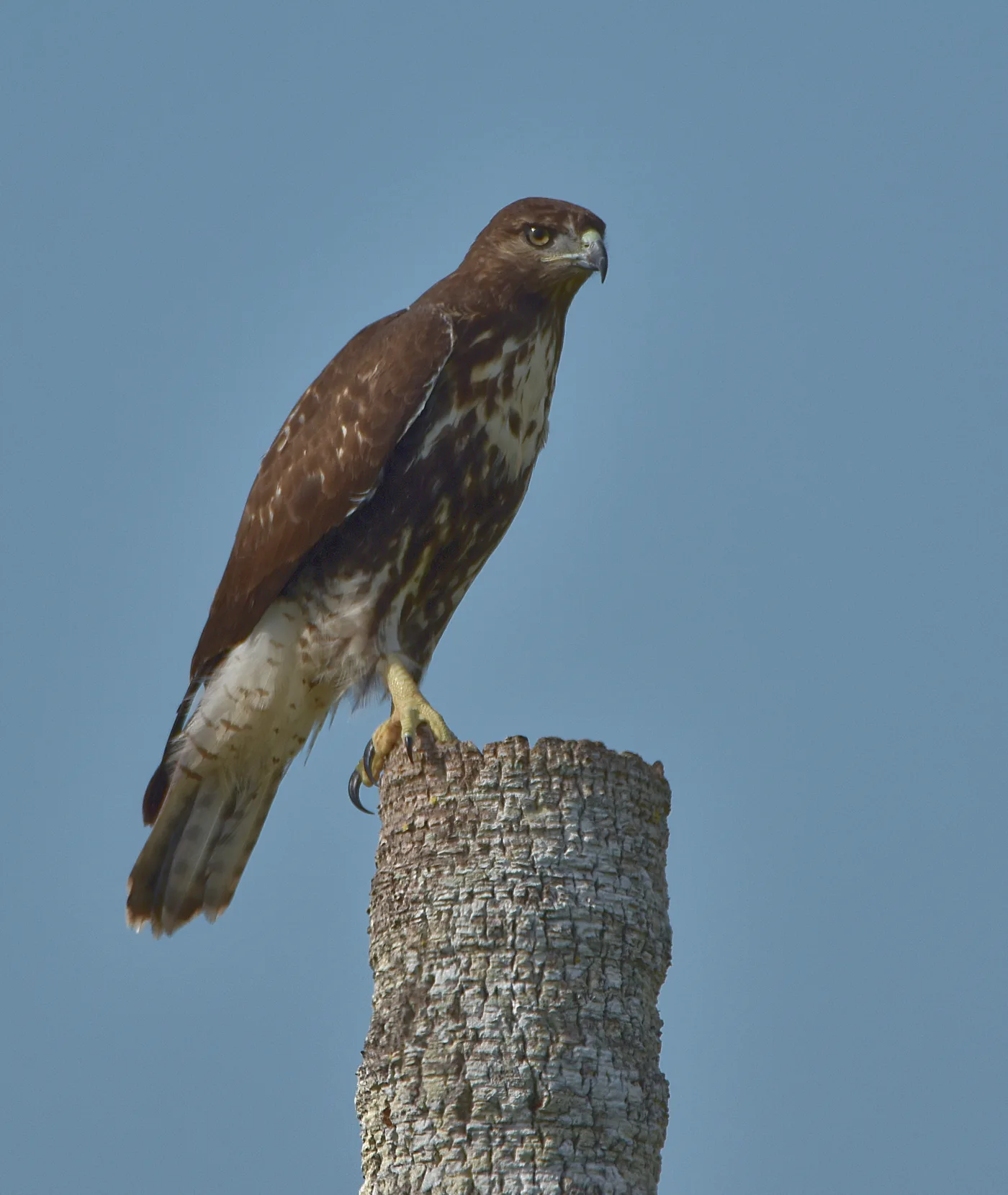
Red-tailed hawk perched

Hawks typically consume a diverse diet, and when it comes to what hawks eat, their menu includes:

  • large insects
  • amphibians
  • small reptiles
  • rodents
  • other small mammals or birds

A hawk’s dietary preferences, which include other birds, are the primary determinant of their hunting ground. Hawks can be a significant threat to small animals, potentially resulting in injury or death, and can also be a nuisance to ranchers who raise smaller livestock, such as rabbits and chickens.

Keeping this in consideration, let’s examine the different types of hawks and their unique behaviors.

Types of Hawks

There are various types of hawks, each with unique characteristics and behaviors. Some common species include:

  • Red-tailed Hawk
  • Sharp-shinned Hawk
  • Cooper’s Hawk
  • Northern Harrier
  • Red-shouldered Hawk
  • Rough-legged Hawk

Each type of hawk possesses keen vision, formidable talons, and a curved beak, making them exceptional hunters. While hawks have a highly diverse diet, very few species consume fish. Red-tailed hawks are the most prevalent species in residential areas. Awareness of the unique behaviors of each hawk species allows us to equip ourselves better for deterring them from our properties without causing any harm.

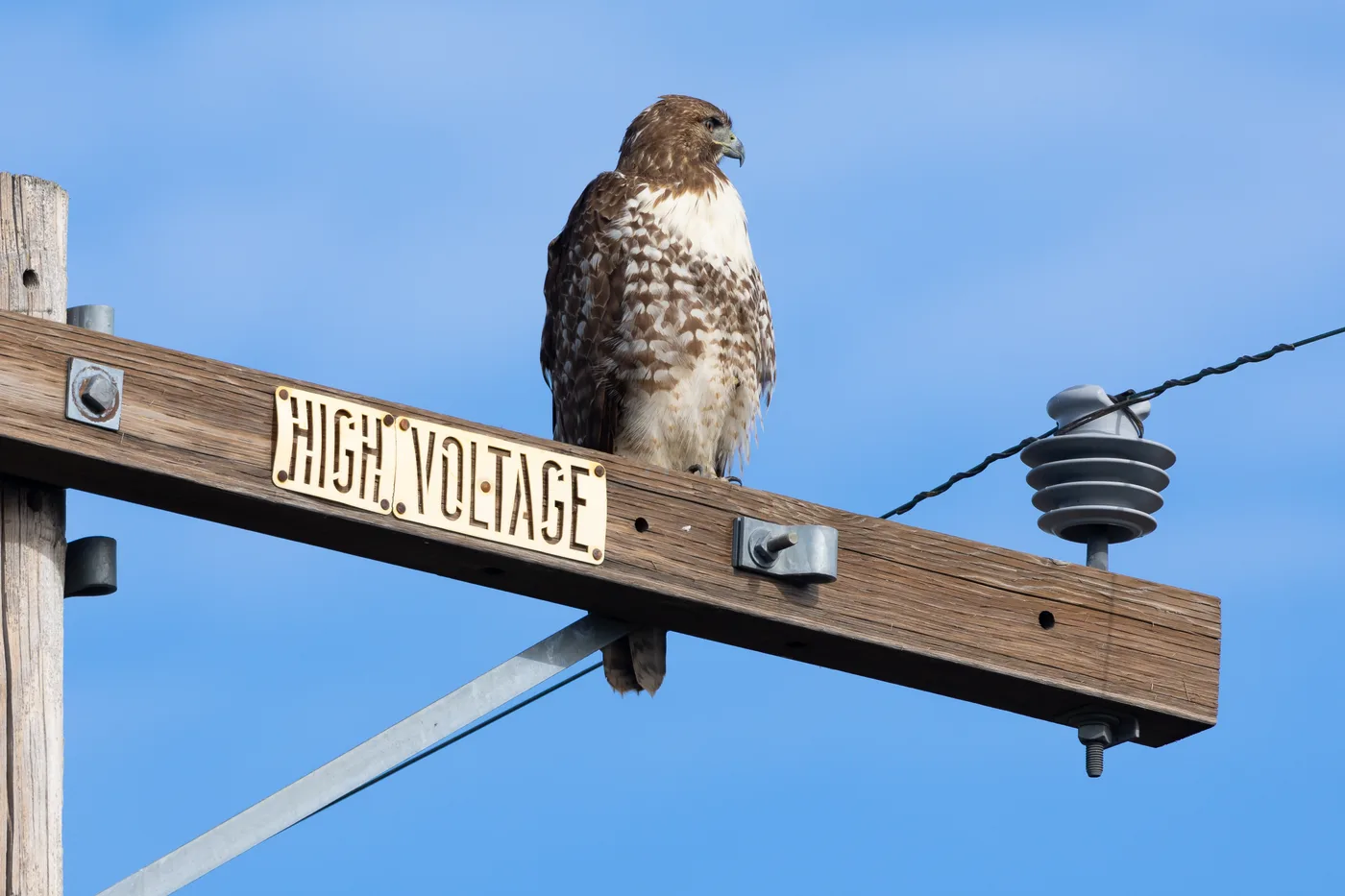
Red-tailed hawk perched on a power pole

Hunting Habits

Hawks have specific hunting habits, often targeting small animals and birds as prey. They employ their sharp talons to capture their prey, rather than relying on their beak. Some common prey items for hawks include rodents, frogs, and snakes. Red-tailed, Cooper’s, and sharp-shinned hawks are known to attack chickens.

Ground-feeding birds can be exposed to predation by hawks. These predatory birds usually hunt from lower perches, unlike falcons which dive from greater distances to capture their prey. Knowledge of their hunting habits enables us to take suitable measures to safeguard our backyard wildlife and pets from these skilled predators.

Preferred Environments

Hawks typically thrive in environments that offer an abundance of prey and provide advantageous vantage points for hunting. To protect smaller birds from hawks, position your bird feeder in a concealed area, such as beneath a tree or in the shade, and close to trees or shrubs that provide refuge. Maintaining a tidy yard and disposing of waste regularly can help reduce the availability of food sources for hawks.

However, be cautious of creating an environment that might attract rodents by incorporating tall grasses or flexible ground cover in your yard, as this could inadvertently draw in hawks. Realizing the preferred environments of hawks allows us create a space that discourages their presence while still providing a sanctuary for other birds and wildlife.

Humane Methods to Deter Hawks

Now that we have a better understanding of hawks and their behaviors, let’s explore ten humane methods to deter these birds of prey without causing them harm. These methods include:

  • Using decoys and scarecrows
  • Installing reflective objects
  • Eliminating food sources
  • Creating natural shelter
  • Employing noise deterrents
  • Removing perching spots
  • Protecting pets and livestock
  • Utilizing roosting spikes
  • Covering bird feeders and chicken coops
  • Consulting a professional

Implementing these strategies effectively discourages hawks from our properties without resorting to harmful measures. Remember, it is crucial to be mindful of the legal and ethical considerations when dealing with hawks. The Migratory Bird Treaty Act protects hawks and other migratory birds, making it illegal to harm them. Always choose humane methods to deter hawks and preserve the delicate balance of our ecosystem.

Hawk Deterrents — Covered poultry shelters, owl decoys, overhead netting, remove perching spots

Let’s examine each method in more detail.

Use Decoys and Scarecrows

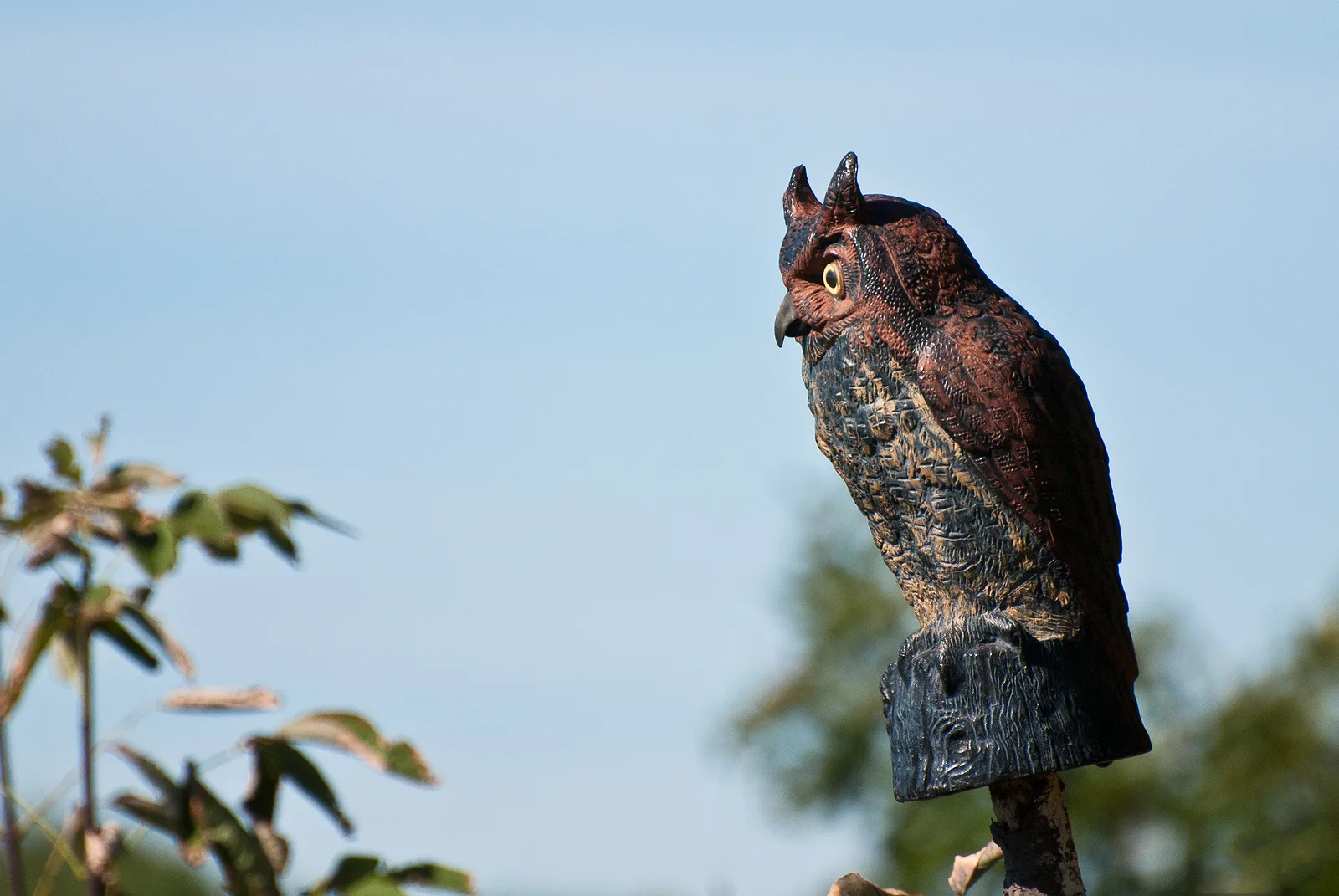
Decoys and scarecrows can be effective in deterring hawks when moved frequently. The use of decoys and scarecrows involves mimicking predators such as owls to create the illusion of a threat without actually posing any danger. Hawks are repelled by the presence of decoys and scarecrows because they imitate predators such as owls, which make hawks afraid and usually avoid.

To ensure hawks are deterred, it is recommended that the owl decoy be moved frequently or use a scarecrow, as this owl decoy frequently changing position prevents the hawks from recognizing the trap. Use of decoys and scarecrows helps in creating a non-threatening environment that deters hawks without causing any harm to these magnificent birds.

Owl decoy used to deter hawks

Install Reflective Objects

Reflective objects, such as CDs or mirrors, can disorient and scare hawks away without harming them. These objects can be hung in areas frequented by hawks to create a visual deterrent that confuses and startles the birds. Reflective objects mimic predator species and can be an effective way to discourage hawks from entering an area.

However, ornamental reflectors may also have the unintended consequence of deterring the songbirds you wish to attract to your yard. Be mindful of this when installing reflective objects and consider other methods if this becomes an issue.

Eliminate Food Sources

Eliminating food sources, like rodents and bird feed, can make your yard less attractive to hawks. Maintaining a clean yard and disposing of waste regularly can help reduce the availability of food sources for hawks.

Removing sources of food, such as rodents and bird feed, can make an area less attractive to hawks. Making the hunt difficult for hawks can render your premises less appealing to them. This method ensures that we can coexist with hawks without causing them harm or disrupting the natural balance of our environment.

Create Natural Shelter

Creating natural shelter with shrubs and trees can provide hiding spots for prey and discourage hawks. Establishing natural shelter provides a secure refuge for smaller birds to take cover when hawks are nearby, lessening their exposure to predation. Strategically planting shrubs and trees, such as evergreens, in areas where hawks are known to frequent can provide a range of hiding spots for prey.

In addition to providing protection for small birds, natural shelters can also draw in more wildlife species and add aesthetic value to your property. Creating natural shelter not only deters hawks but also promotes a thriving and diverse ecosystem in our backyards.

Employ Noise Deterrents

Noise deterrents, like wind chimes or ultrasonic devices, can scare hawks away without harming them. Hawks are responsive to loud and turbulent sounds, so noise deterrents can effectively discourage them from an area. Installing noise deterrents near poultry or rabbit cages can be especially effective in deterring hawks.

Wind chimes used as a noise deterrent

Utilizing noise deterrents helps create a safe and peaceful environment for our backyard birds and pets while ensuring that hawks are not harmed in the process. This method is not only humane but also environmentally conscious, effectively keeping hawks away from your backyard.

Remove Perching Spots

Removing perching spots, such as tree branches or utility poles, can make your yard less appealing to hawks. Perching spots refer to locations where hawks can rest. Trimming tree branches or removing utility poles can reduce the availability of perching spots and make your yard less attractive to these birds of prey.

Eliminating perching spots helps discourage hawks from accessing our property and reduces the risk of predation on our backyard birds and pets. This method is a simple yet effective way to deter hawks without causing any harm to the birds themselves.

Protect Pets and Livestock

Protecting pets and livestock with enclosures or supervision can prevent hawk attacks. Enclosures such as fences, netting, or other barriers can be used to prevent hawks from accessing the area. Supervision may involve keeping pets and livestock in sight or employing a guard animal.

Implementing these measures ensures the safety of our pets and livestock while coexisting peacefully with hawks. It is important to remember that hawks are a natural part of our environment, and by protecting our pets and livestock, we can maintain a harmonious relationship with these birds of prey.

Utilize Roosting Spikes

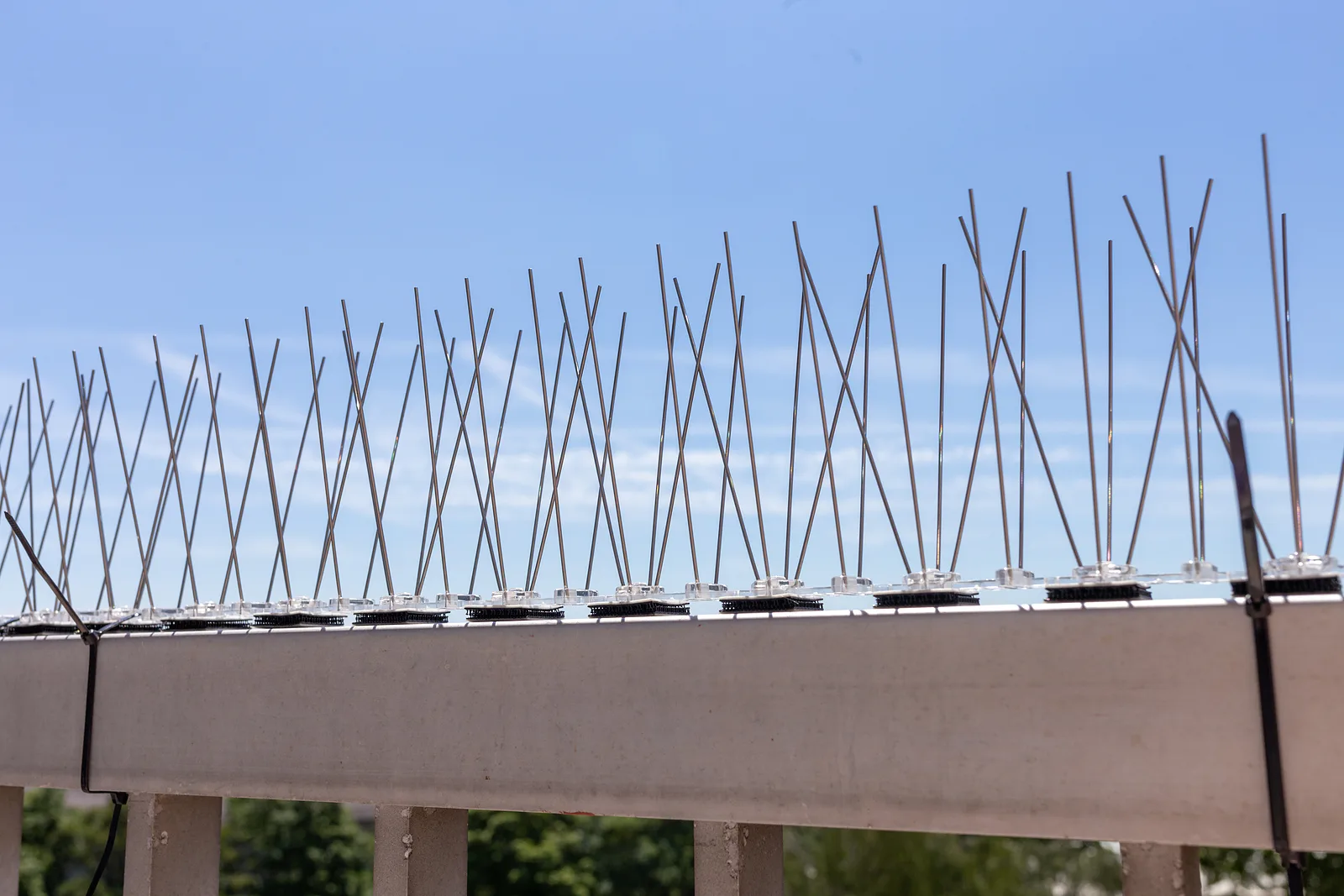
Roosting spikes can be installed on potential perching spots to make them uncomfortable for hawks. These spikes provide an uncomfortable surface for hawks to land or roost on, dissuading them from remaining in the vicinity. Roosting spikes render the ledge inhabitable, thus eliminating hawks.

Installation of roosting spikes on potential roosting spots discourages hawks from perching and causing damage to our property. Furthermore, roosting spikes are a humane method of deterring hawks without inflicting harm to the birds.

Bird spikes installed on a ledge

Cover Bird Feeders and Chicken Coops

Covering bird feeders and chicken coops can provide protection from hawks and other predators. Position your bird feeder in a concealed area, such as beneath a tree or in the shade, and close to trees or shrubs that provide refuge. Installing a guard dog to protect free-range chickens is another effective solution.

Covering bird feeders and chicken coops not only protects our backyard birds and livestock from hawks but also creates a safer environment for them to thrive. This method ensures the well-being of our pets and livestock while promoting a harmonious relationship with hawks.

Consult a Professional

Consulting a professional wildlife control expert can help with persistent hawk problems. A professional wildlife control expert can:

  • Assess the specific situation
  • Recommend the most appropriate methods for deterring hawks without causing harm to the birds or other animals
  • Provide expert guidance on the best methods to use in a particular situation
  • Help ensure that the methods used are humane and effective

If you are unsure about the best course of action or have concerns about the situation, consulting with a professional wildlife control expert is a wise decision.

Migratory Bird Treaty Act

The Migratory Bird Treaty Act is a federal law that protects migratory birds, including hawks, from being harmed or killed. This act makes it illegal to harm, kill, or possess hawks or other protected migratory birds without proper authorization. It is essential to be aware of this law when considering methods to deter hawks from your property.

Penalties for Harming Hawks

Penalties for violating the Migratory Bird Treaty Act can be severe. Harming or killing a hawk without authorization can result in fines and even imprisonment. It is crucial to always use humane methods when deterring hawks and to consult with local wildlife authorities if you need additional guidance.

Summary

Hawks are impressive predators that play an important role in our ecosystem. While they can sometimes pose challenges for homeowners and ranchers, there are many humane and effective methods available to deter them without causing harm. By understanding their behaviors and implementing strategies such as using decoys, installing reflective objects, eliminating food sources, creating natural shelter, employing noise deterrents, removing perching spots, protecting pets and livestock, utilizing roosting spikes, and covering bird feeders and chicken coops, we can coexist peacefully with these magnificent birds.

It is important to remember that harming hawks is illegal under the Migratory Bird Treaty Act, and penalties can be severe. Always choose humane methods and consult with professional wildlife control experts when necessary. By doing so, we can protect our properties and pets while respecting the natural world around us.

Frequently Asked Questions

What attracts hawks to your yard?

Hawks are attracted to yards that provide an abundant food source and advantageous vantage points for hunting. This includes the presence of small birds, rodents, and other small animals. Additionally, open spaces with minimal vegetation and tall perching spots such as trees or utility poles can make your yard appealing to hawks.

Can a hawk pick up a 10 lb dog?

While most hawks cannot lift a 10 lb dog, larger hawk species such as the Red-tailed Hawk may be capable of attacking smaller dogs weighing up to 5 lbs. It is still important to supervise your pets and use protective measures such as enclosures to prevent potential hawk attacks.

Do hawks hunt at night?

Most hawk species are diurnal hunters, meaning they hunt during daylight hours. However, some species such as the Short-eared Hawk may hunt during dawn and dusk. Hawks do not typically hunt during the night.

What types of hawks are commonly found in residential areas?

Red-tailed Hawks are the most prevalent species found in residential areas. Other common species include Sharp-shinned Hawks, Cooper’s Hawks, and Northern Harriers. These species are known to hunt small birds and rodents in urban and suburban environments.

What are some humane methods to deter hawks?

Humane methods to deter hawks include using decoys and scarecrows, installing reflective objects, eliminating food sources, creating natural shelter, employing noise deterrents, removing perching spots, protecting pets and livestock, utilizing roosting spikes, and covering bird feeders and chicken coops. Consulting with a professional wildlife control expert is also recommended for persistent hawk problems.


Images: Red-tailed hawk perched by Kate Perez, CC BY-SA 4.0. Red-tailed hawk on a power pole by Frank Schulenburg, CC BY-SA 4.0. Via Wikimedia Commons.

Photo credit: Rhododendrites (CC BY-SA 4.0), via Wikimedia Commons