How to Get Rid of Robins: 10 Humane Methods That Work Well
Contents[hide]
- 1. Why Do I Have So Many Robins in My Yard?
- 2. What Do Robins Eat? (And How to Cut Off the Supply)
- 3. How Do You Keep Robins From Nesting on Your Porch?
- 4. What Scares Robins Away?
- 5. Do Fake Owls Work on Robins?
- 6. What Is the Best Homemade Robin Repellent?
- 7. Can I Remove a Robin’s Nest From My House?
- 8. When Do Robins Leave? (Seasonal Timing Guide)
- 9. Is It Illegal to Get Rid of Robins?
- 10. How Do I Keep Robins Away Long Term?
To deter robins, start with their food: cover garden beds with netting and pick up fallen fruit as soon as it drops. Then add movement near the spots they keep using. A fake predator near their usual spots works if you move it every few days, and a chili spray where they feed adds another layer.
In this article, we’ll cover how to get rid of robins, what draws them to your yard, and how to protect your garden and berries.
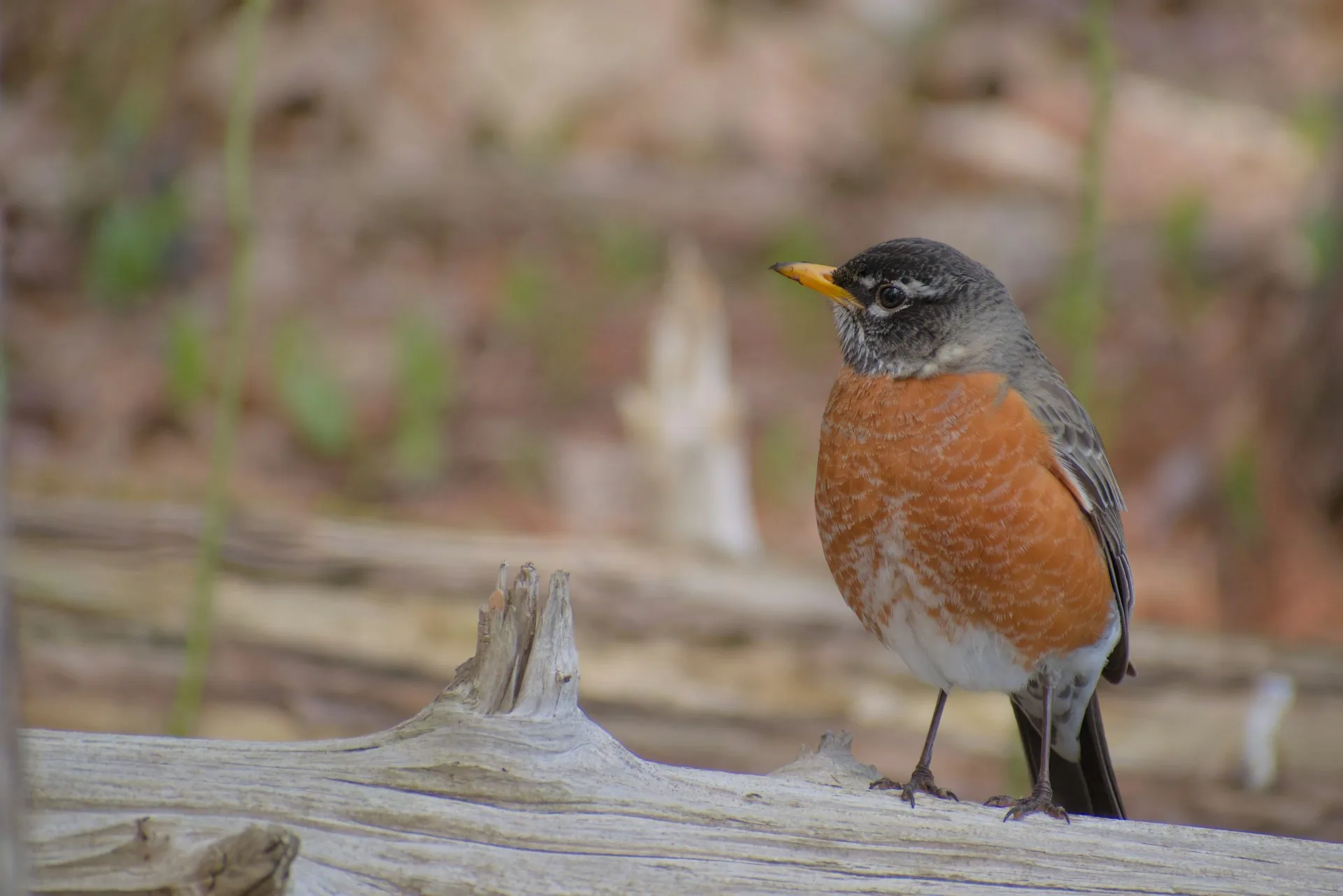
Robins eat worms, insects, beetles, berries, and fruit. They find most of their food by hopping across lawns and poking at the ground. In spring and summer, earthworms are their main diet. In fall and winter, they switch to berries from shrubs and fruit trees.
They also need water for drinking and bathing, so bird baths bring them close to your house.
Why Do I Have So Many Robins in My Yard?
Robins are creatures of habit. Once one builds a nest in a spot near your home, it will return to the same spot year after year.
They prefer sheltered places like porch railings, eaves, light fixtures, roof overhangs, gutters, chimneys, and window ledges. Your house gives them shelter from rain, wind, cats, snakes, and other natural predators.
Nesting season runs from spring through summer. A robin can lay eggs and raise multiple broods per season, meaning baby robins hatch several times between March and August. The babies leave the nest about two weeks after hatching, but the parents often start a new nest almost immediately. Other robins in the area notice a successful nesting site and may try the same spot the following year.
In winter, robins do not always migrate. Their migration patterns depend on food availability more than temperature. Many stay close to their summer range, especially in milder climates. They form large flocks and feed on berries.
If your yard has shrubs with fruit, expect robins to visit all year long.
What Do Robins Eat? (And How to Cut Off the Supply)
The most effective step to get rid of robins is cutting off what they eat. Cover berry bushes with netting they cannot reach the fruit through, and pick up fallen berries and fruit from the ground daily.
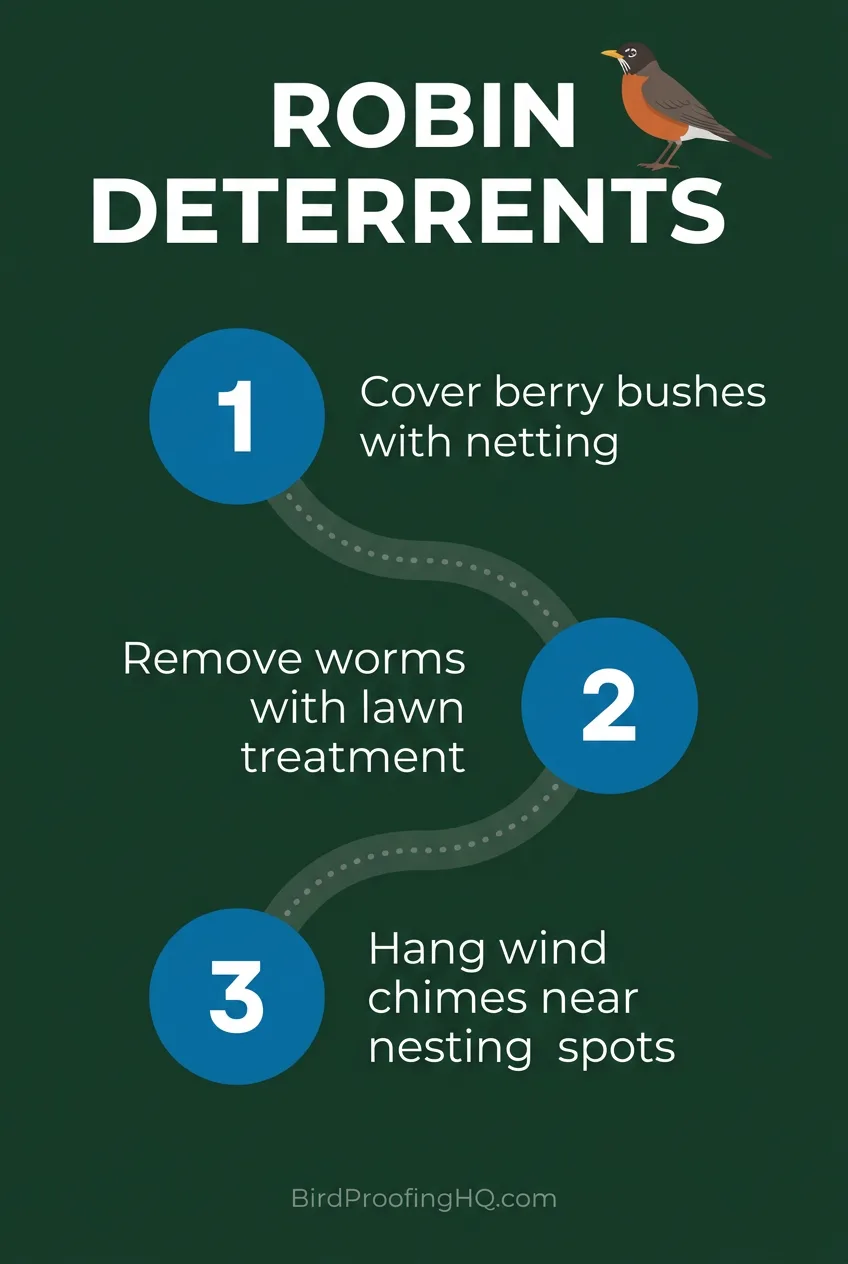
To reduce earthworms in your lawn, water less frequently. Worms come to the surface when the soil is moist, so letting the lawn dry out between watering sessions makes the area less productive for robins. Treating the lawn for beetles and grubs also removes a key food source.
If you have bird feeders nearby, switch to seeds that robins ignore, like safflower or nyjer (a fine thistle seed finches love and robins do not bother with). Relocate bird baths far from your house and porch. Robins are drawn to water almost as much as food, so moving it to the edge of your property can redirect them to specific areas away from your outdoor space.
How Do You Keep Robins From Nesting on Your Porch?
Physical barriers are the most reliable long-lasting way to deter robins, because they block the birds instead of just scaring them off. Install mesh screens over openings in eaves, roof overhangs, porch ceilings, and light fixtures, including the porch light, before the birds arrive to build.
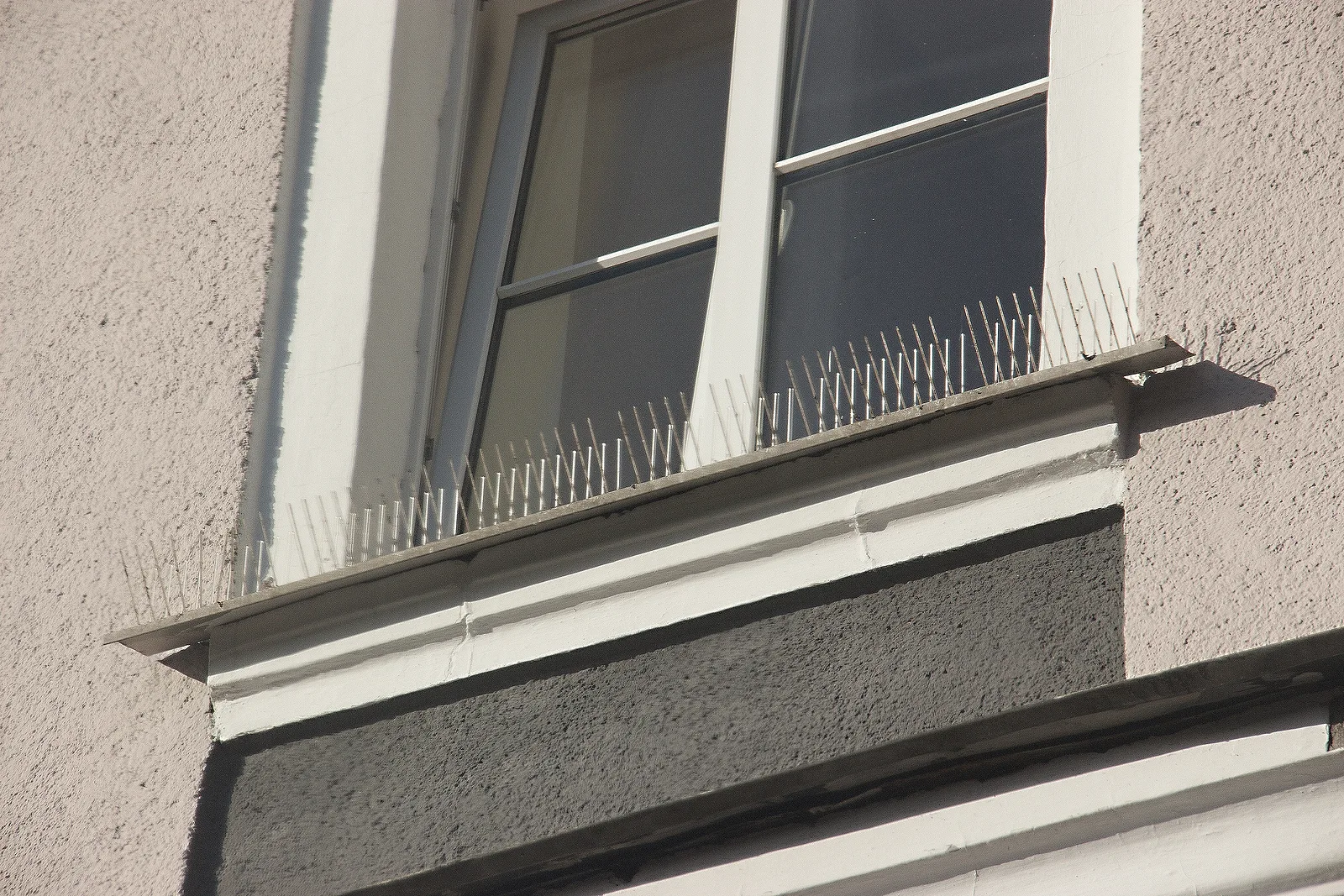
Bird spikes on porch railings, window ledges, roof edges, and gutters make these surfaces uncomfortable for landing. They do not hurt the birds. They just make the spot unusable.
For your garden, use bird netting draped over plants and bushes. Garden fencing also works, especially close to the ground where robins forage for worms. Add a mesh barrier under your porch and deck to block nesting underneath structures.
What Scares Robins Away?
Visual deterrents are the cheapest way to scare birds off a spot fast. Aluminum foil strips, old CDs, mirrors, mylar ribbon, and other shiny objects all reflect light in ways that scare robins and other birds. Hang these visual deterrents from trees, porch railings, eaves, and near windows or any spot you want to protect.
Try hanging old CDs or strips of mylar ribbon from fishing line so they spin freely in the breeze. The mix of movement, light, and reflection keeps robins away from specific areas.

The movement startles the birds and makes the area feel unsafe. Aluminum foil streamers are cheap and easy to set up, and a strip of mylar ribbon near a window also stops robins from attacking their own reflection in the glass. Reposition the deterrent every week so the birds do not get used to it.
Do Fake Owls Work on Robins?
A realistic owl or rubber snake placed near problem areas may startle robins and send them flying. Owls, hawks, cats, and snakes are all natural predators of robins, so a lifelike decoy catches their attention immediately. These predator decoys work on crows and other birds too. Some models move their heads or make sounds, which may extend how long robins stay wary of them.
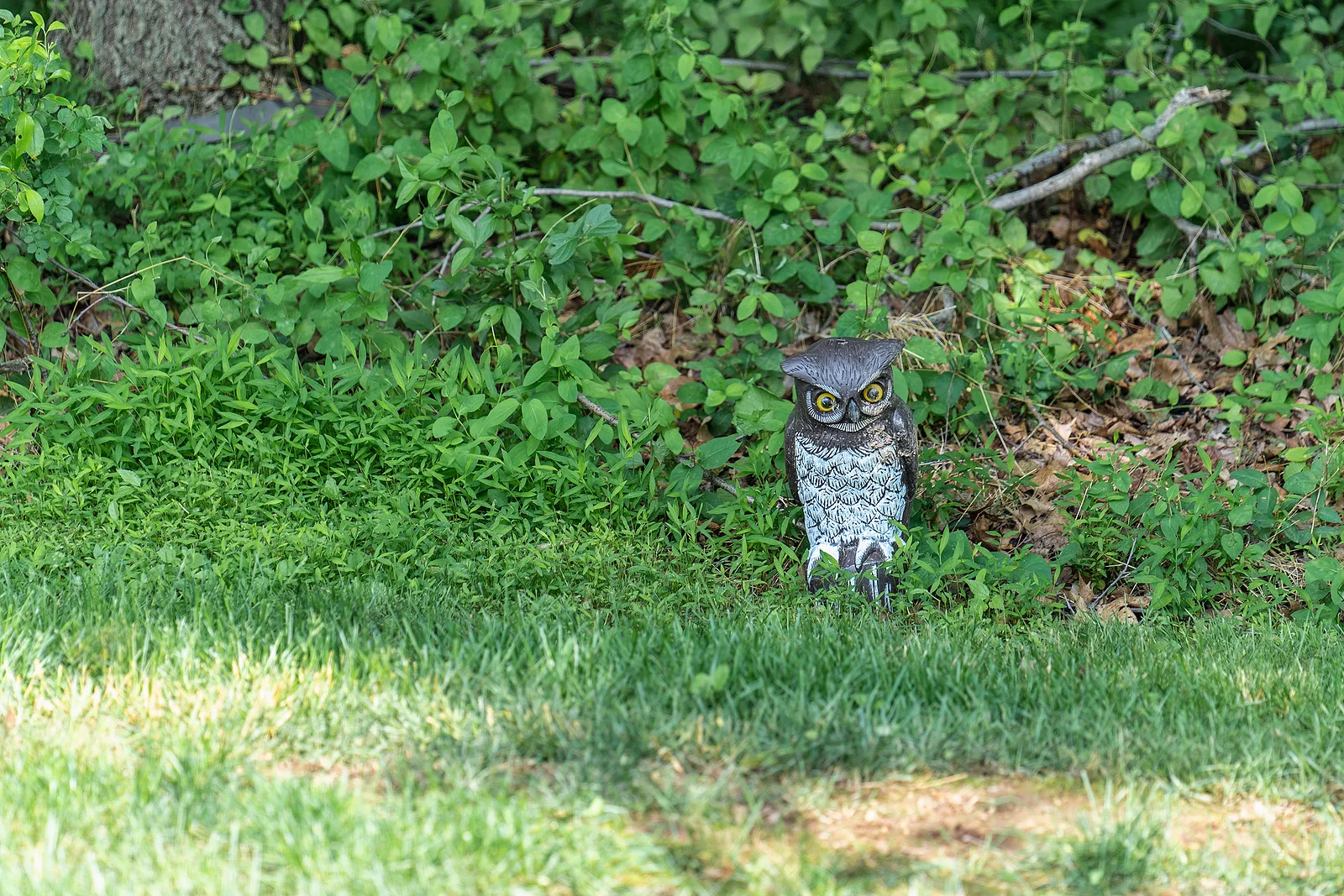
Move the decoy to a new spot every few days. Robins are smart enough to figure out that a predator that never moves is not real.
Wind chimes and wind chime strings add noise and movement that robins dislike. Larger, louder chimes work best. Sonic repellers that emit ultrasonic sound waves are another option, covering a wider area without bothering humans, though results vary by yard.
What Is the Best Homemade Robin Repellent?
Chili Pepper Spray
A homemade robin repellent made from crushed chili peppers is one of the simplest ways to deter robins from your porch and garden. Combine chili peppers or cayenne pepper with water and let it sit in the sun for a couple of days. Spray it on surfaces where robins land or feed, but never on birds, nests, or food you plan to eat. Reapply every week or after rain.
You can also sprinkle dried chili pepper flakes directly on soil around garden beds and along ledges where robins perch.

Sticky Gel and Commercial Sprays
Sticky gel applied to railings, ledges, and other flat surfaces where robins perch discourages them from landing again. The sticky feel on their feet makes them avoid the spot. Commercial bird spray repellents also work, though check the label for pet and plant safety before spraying.
Peppermint Oil and Vinegar
Peppermint oil mixed with water and sprayed around nesting areas has a smell robins avoid. Vinegar works similarly. Dilute either well and apply only to surfaces, never directly on a bird or nest.
Can I Remove a Robin’s Nest From My House?
If a robin has already built a nest on your porch, roof, or house, check whether it is active. If there are eggs or baby robins inside, you must wait.
Robins are protected under the Migratory Bird Treaty Act and federal law. Disturbing an active nest, its eggs, or its chicks is illegal. Most native birds get the same protection.
The babies will leave within about two weeks of hatching. Check local laws in your area as well, since some states have additional protections for the species.
Once the nest is completely abandoned and the young have flown, remove it while wearing gloves. Robin nests can harbor mites and other pests. After removing the nest, clean the area thoroughly and install barriers (mesh, spikes, or netting) to prevent robins from nesting in the same spot next season. Do not leave existing nests in place over winter, as nesting material attracts other robins looking for an easy setup.
To relocate robins to a better spot, put up a robin nest shelf on a tree or shed away from your house. This gives them an alternative nesting site that keeps them out of your outdoor space.
When Do Robins Leave? (Seasonal Timing Guide)
Knowing robin behavior and their migration patterns helps you plan your approach. In spring, robins arrive early and immediately start scouting nesting sites. This is the critical window to prevent robins from settling in. If you wait until they have already started building, it becomes much harder to deter robins without waiting for the nesting cycle to finish.
A good food source and safe shelter can attract more birds over time, robins included. A single nesting pair signals to other birds passing through that your yard is safe and productive. That is why one robin problem often turns into a larger one the following year. Unlike blue jays and other birds that are mainly feeder pests, robins are ground foragers, so your lawn and garden are the main battleground.
Watch for existing pest problems that bring robins in. A lawn full of grubs and beetles is a buffet for them. Addressing the insects first often solves the robin issue on its own. Make your yard less inviting by keeping grass short, removing leaf litter where insects hide, and treating specific areas with natural grub control.
Is It Illegal to Get Rid of Robins?
Yes, if you go beyond deterrence. Robins are protected under federal and state regulations, so harming a robin or destroying an active nest can result in fines. Habitat changes, repellents, and physical barriers are the legal options for keeping robins off your property.
These humane methods actually work better than aggressive ones. Robins respond well to a change in their surroundings. Remove what attracts them, block where they nest, and repel them from where they feed.
You do not need to get rid of every robin on your property. The goal is to keep robins away from the specific areas where they cause problems, like your porch, garden beds, and the areas around your front door.
If you are dealing with a persistent infestation or existing pest problems attracting robins, a wildlife control professional can assess your property and recommend targeted solutions. They understand local laws and can handle situations where nesting material or active nests complicate the process.
How Do I Keep Robins Away Long Term?
Maintain a tidy yard to discourage robins from settling in. Trim trees, shrubs, and bushes regularly so there are fewer sheltered places to build. Cover exposed soil with mulch or ground cover to reduce worm activity near the surface.
Combine multiple methods for the best results. No single deterrent is foolproof. Using netting on your garden, chili pepper spray on your porch, and a fake predator near nesting spots at the same time covers all your bases.
If you have tried everything and robins are still causing problems, contact a local wildlife or pest control professional. They can handle persistent problems humanely and help you set up long-term prevention.
If robins are not the only birds at issue, the full species guide covers every bird on the site.
Free: The 5-Step Bird-Proofing Checklist
Work through the right steps in the right order, before spending money on the wrong deterrents. Printable PDF, straight to your inbox.
No spam. Unsubscribe any time.