How to Keep Birds From Nesting Under Your Hood
Contents[hide]
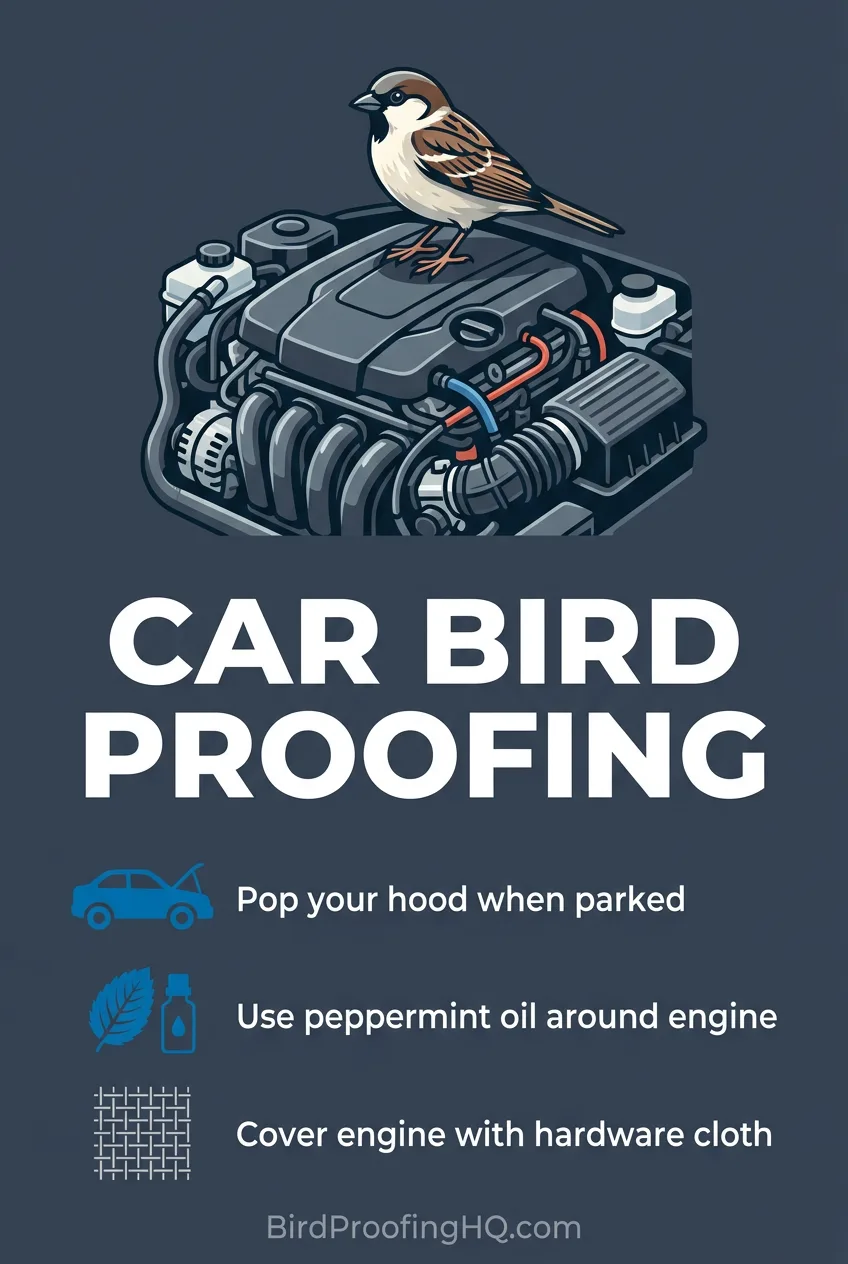
To keep birds from nesting under the hood, drive daily. That alone stops most birds from settling. When the car sits, pop the hood and check for twigs. Put peppermint oil-soaked rags in the engine bay and cover large openings with hardware cloth. March through June is peak season, so check every day a vehicle sits unused.
In this article, we’ll cover how to block the gaps they use, which repellents slow them down, and what to do if there is already a nest in there.
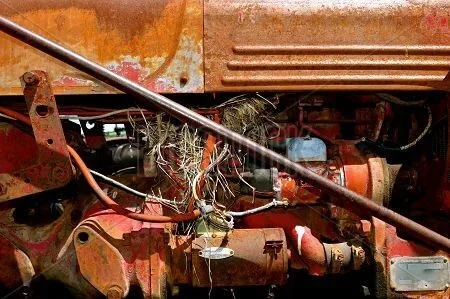
This is not just a nuisance. Nesting materials like straw, leaves, and twigs are a fire hazard when they touch hot engine parts. Bird droppings carry disease. Nests block vents and starlings, sparrows, and similar birds chew through wiring, and replacing a damaged harness can cost hundreds of dollars.
Why Do Birds Nest in Car Engines?
Birds are looking for three things: warmth, shelter, and a quiet place to lay eggs. Your engine provides all three. After you drive and park, the engine stays warm for hours. The compartment is enclosed, protecting nests from wind, rain, and predators.
And if the car sits in one spot for days, birds treat it like a permanent home.
Starlings are especially bad about this. They squeeze through small openings and build bulky nests fast, often completing a nest in two to three days. Sparrows, wrens, and pigeons do the same thing in sheds, garages, and building overhangs near where you park. Proximity to food sources like bird feeders and open trash makes the area even more attractive.
Spring is the worst period because that is nesting season. Birds scout for secure sites from March through June. A warm, quiet engine compartment that has not moved in three days reads to them as a safe, permanent structure. Cars parked near trees, hedgerows, or bird feeders are most often targeted.
How Do You Know If a Bird Has Nested Under Your Hood?
Before starting your engine, pop the hood and look for signs of nesting: twigs, feathers, droppings, or bits of grass. Check around the battery, air filter box, and along the wall of the engine bay near the fender. Birds also nest on top of the engine cover and behind the headlights.
Beyond nesting material, look for other warning signs. An unusual burning smell when you start the engine can mean straw touching a hot surface. A rattle near the air box or a check engine light with no obvious mechanical cause are both worth investigating.
Sparrows and starlings will chew insulation off wiring. A damaged harness can trigger multiple warning lights at once and is expensive to replace.
If you find an active nest with eggs or babies, do not remove it. Many species are protected under the Migratory Bird Treaty Act, and disturbing an active nest can carry fines. Wait until the family has left, or call a wildlife control service to handle it legally.
Make it a habit to check every time the car has sat for more than two days, especially during nesting season (March through June). A quick look takes 30 seconds and can prevent a fire or a costly repair.
How to Block Birds From Getting Under the Hood
Physical barriers are the surest fix, because unlike scare devices they do not rely on the bird choosing to leave. Start with these three.
Hardware Cloth Over Engine Openings
Hardware cloth (a rigid wire mesh) is the most reliable way to stop birds from getting in. Install it over any large openings in the engine area, especially around the wheel wells and underneath the bumper, and attach it with zip ties. It blocks birds without restricting airflow and is safe for the car.
Bird Spikes Around the Parking Area
Bird spikes on ledges, railings, and flat surfaces near your parking spot stop birds from landing where they like to perch before moving in. Run spikes along garage walls, ceiling beams, and shelf edges to keep starlings, sparrows, and pigeons from setting up nearby.
Netting Over the Hood When Parked
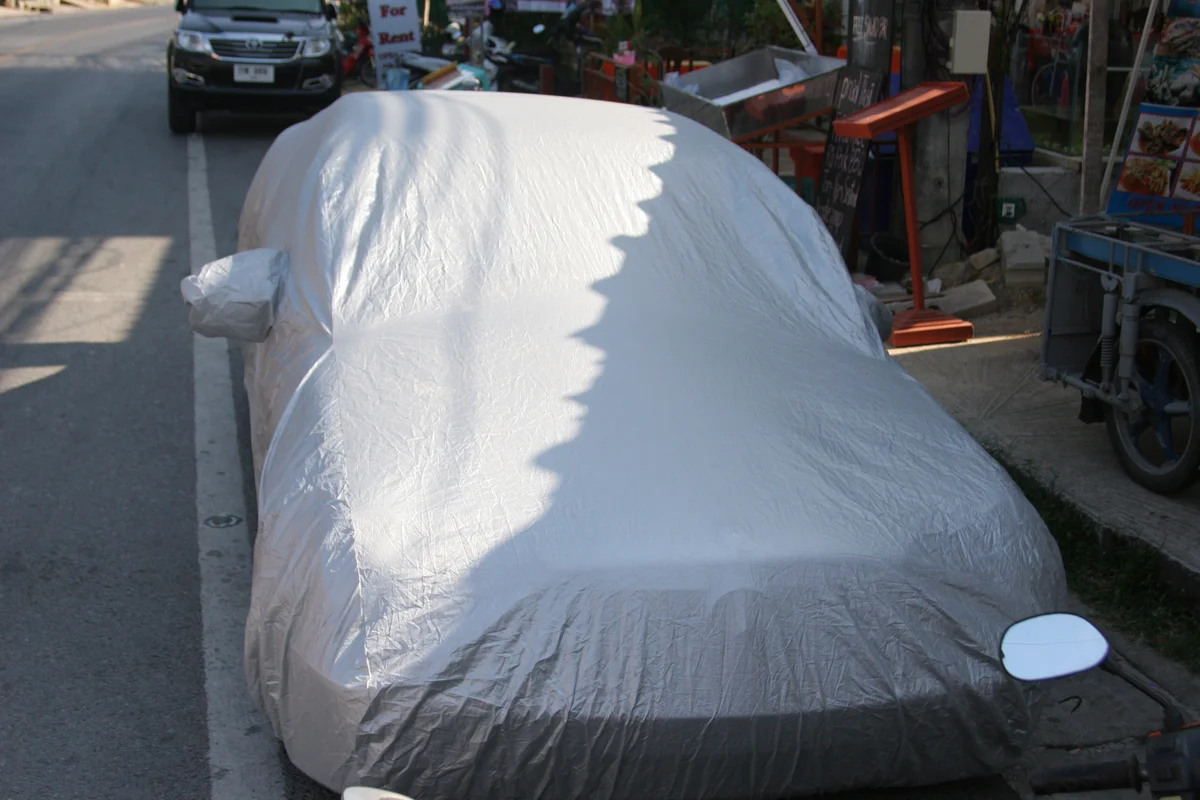
Bird netting draped over the open hood blocks access while the car is parked. Remove it before you start the car. Netting also works strung across a carport or shed opening where birds typically perch. A reflective car cover does a similar job: the shiny surface throws light that unsettles birds, and physically closes the gap.
What Repellents Keep Birds Away From Your Car?
The best approach combines scent, sight, and sound so the birds never get comfortable. Layer two or three methods and rotate them, because birds adapt fast to any single deterrent that stays in one place.
Peppermint oil is a popular natural repellent. Soak cotton balls with a few drops and place them around the engine, near openings and warm spots, then reapply every week or after rain. Cayenne pepper spray works the same way: mist it around the car and the strong scent deters birds and rodents without harming them.
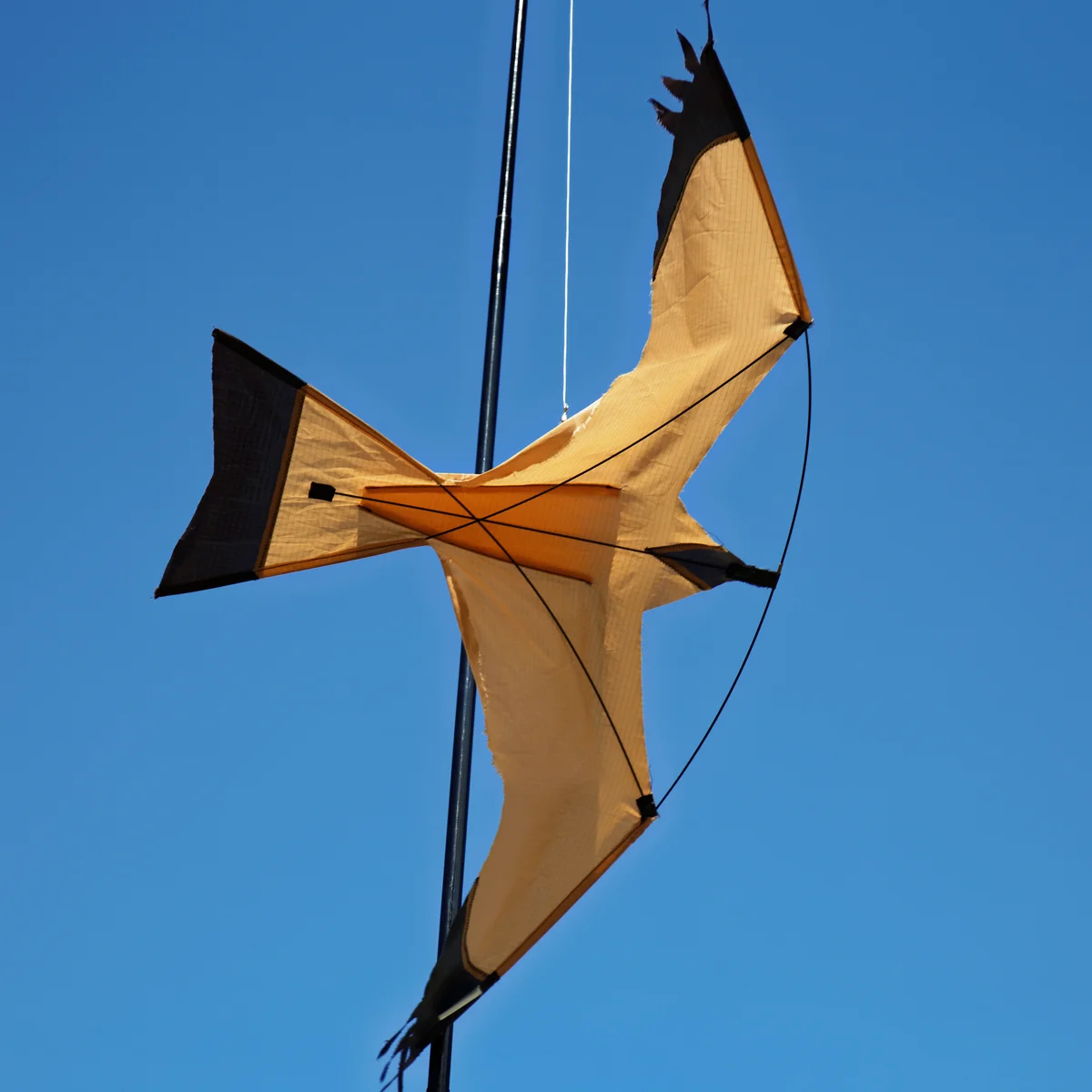
Reflective tape and old CDs hung near your parking spot throw flashes of light that unsettle birds. A plastic owl or hawk decoy on the hood or a nearby shelf adds to the effect. Move decoys every few days, since a predator that never moves stops scaring anything quickly.
Commercial ultrasonic devices emit sounds birds dislike. Wind chimes near the parking spot add unpredictable noise. No single deterrent holds birds off a warm engine for long, so pairing scent with a visual scare gives better results than either one alone.
How to Stop Birds From Coming Back
The best long-term prevention is simple: drive regularly. Moving the vehicle every day makes it impossible for birds to settle in. If a second vehicle sits unused, start it and move it at least every few days.
Park in a garage, covered building, or carport when possible. Avoid parking under trees or near dense shrubs where birds are already active. Trim branches that hang over parking areas, since birds perch there before dropping onto the car.
Remove bird feeders from the immediate area, or switch to feeders that only attract smaller species. Keep fallen seeds and fruit cleaned up. A tidy engine bay with no loose debris is far less appealing as a nesting site, so keep the area under the hood clean during regular maintenance.
If the car will be sitting unused for more than a week, place a few peppermint oil-soaked rags near the air filter and battery before closing the hood. Refresh them weekly. A plastic car cover also prevents birds from landing on the hood itself, which discourages them from investigating the compartment below. For long-term storage, hardware cloth over the large intake openings is the most reliable safeguard against an expensive nest.
After nesting season ends in late summer, do a thorough inspection: remove any debris, check the wiring harness for chew marks, and look at the cabin air filter. A nest can partially block the cabin air intake and reduce airflow to the passenger compartment without triggering any warning lights.
Can I Remove a Bird Nest From My Car Myself?
If the nest is empty (no eggs, no babies), you can remove it. Bag it up, clean the area with a disinfectant, and install a barrier before you park again.
If the nest is active, the law likely protects it. Contact a wildlife control service to remove it safely and legally. If nesting has already caused damage to wiring, hoses, or the cooling system, take the car to a mechanic. Catching the damage early prevents bigger problems down the road.
Images: Covered parked car on Phuket Island by Alexander Baranov, CC BY 2.0. Bird repelling hawk kite at Broadstairs, Kent by Acabashi, CC BY-SA 4.0. Via Wikimedia Commons.


Free: The 5-Step Bird-Proofing Checklist
Work through the right steps in the right order, before spending money on the wrong deterrents. Printable PDF, straight to your inbox.
No spam. Unsubscribe any time.